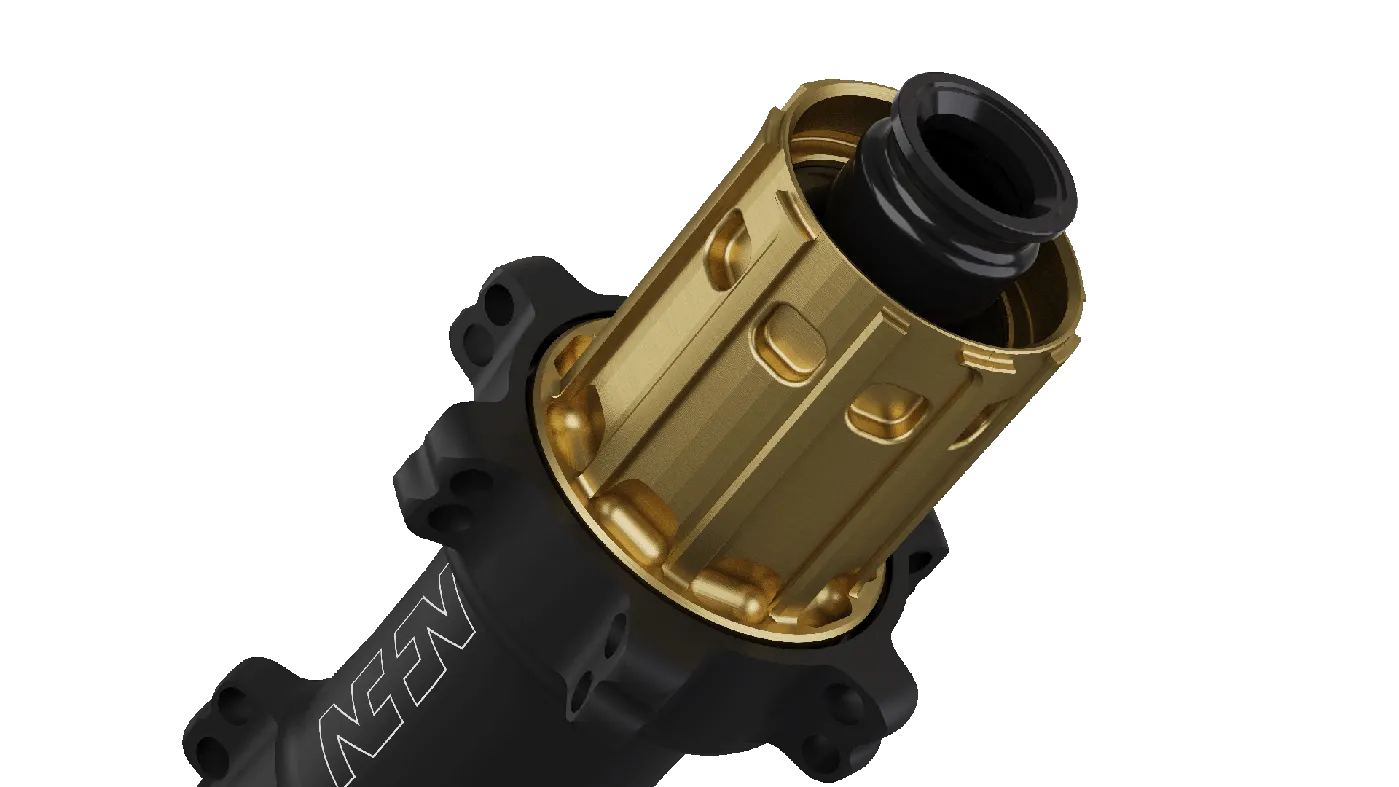
Built for pole position.
We build the lightest hubs in the world. Not because lightweight is a trend, but because we can’t do it any other way. Developed and built by hand in Winnenden.
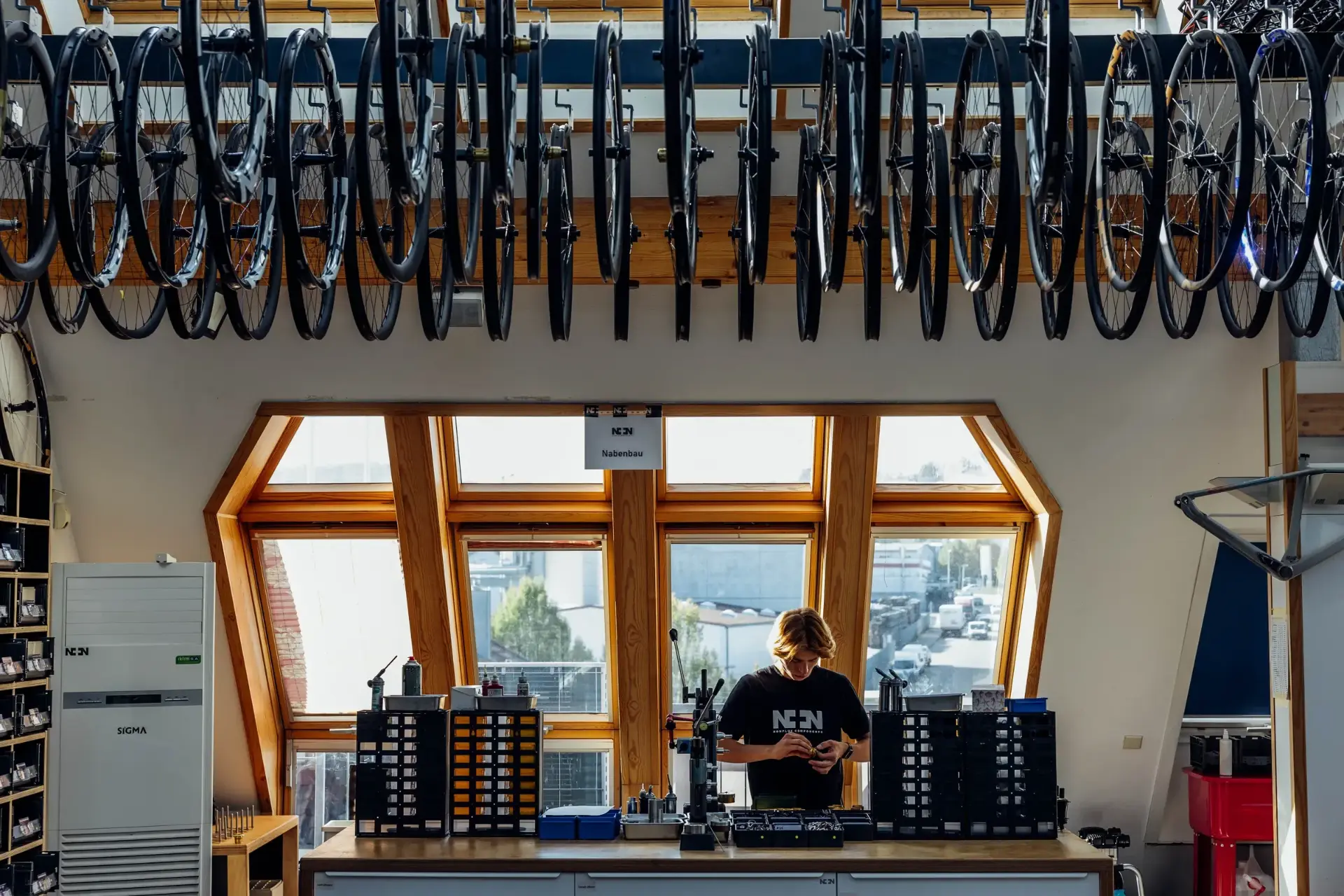
Handmade in Winnenden.
From solid stock.
From a rock in the ground to a finished high-end hub.
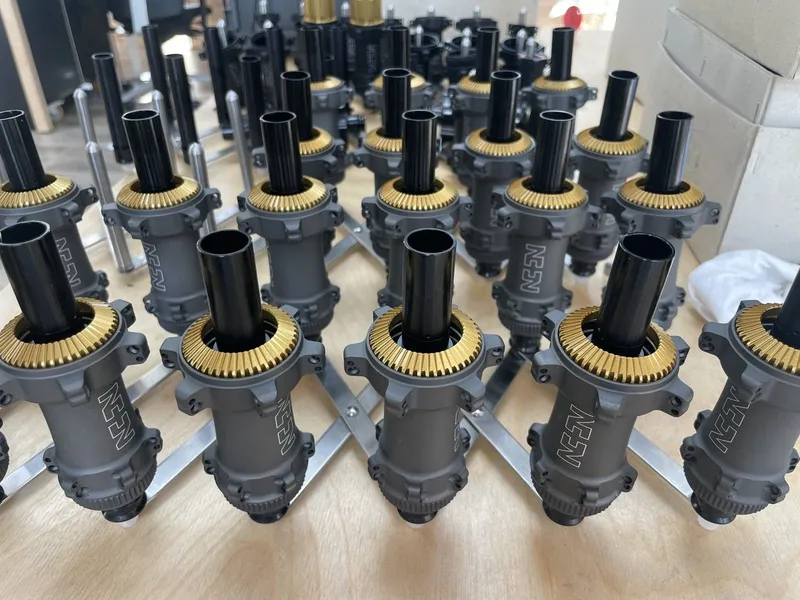
A NonPlus hub is not a casting. It starts as rock, becomes metal, then a solid block. Everything that isn't hub is taken away. Eight stations, and at every one, precision decides.
Select a step
- Origin
It all starts with a red-brown rock from the earth. Bauxite is the ore aluminium is won from. Nothing about it is light yet, nothing precise. Only potential.
- Material
Melted, alloyed, cast. Our hubs use a high-strength aluminium alloy that carries more than its weight suggests. Which one exactly stays with us.
- One piece
A solid round bar, sawn to length. Each blank becomes exactly one hub body. No casting, no welded parts, no seam where stress could gather.
- Contour
Chip by chip, the lathe reveals the form: body, flanges, bearing seats. This is where it's decided how true the hub will run. The bearing seats have to line up exactly, or no bearing turns freely.
- Weight
Spoke holes, pockets, inner contour. The mill removes material wherever no force acts, even inside, where no one looks. This is where the grams you no longer feel on the climb disappear.
- Surface
Anodising grows a hard, dense protective layer out of the aluminium itself. It guards against corrosion and scratches. The bearing seats are anodised too.
- Signature
Finally the logo. Lasered permanently into the anodised layer, no sticker, no paint. It stays as long as the hub rides.
- By hand
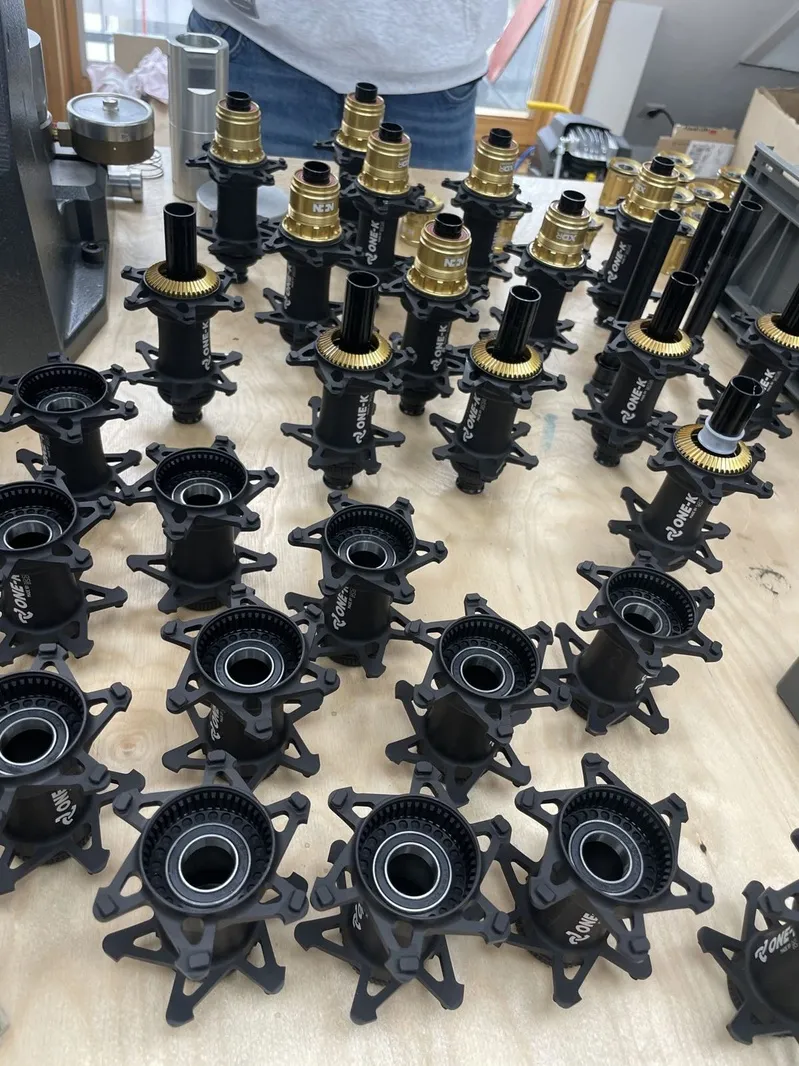
Bearings, freehub, end caps. Every hub is assembled, adjusted and checked by hand in Winnenden before it leaves. A rock has become a hub you no longer notice.
Eight stations, one piece of metal. In the end the hub weighs only a fraction of its blank, and still carries you for years. Built to disappear.
Every component. Every gram.
We optimise every single part until weight and function are right. We ask what it costs afterwards. Where can we squeeze out another gram? Where can it run a little more freely?
In the end, every component is matched so precisely that the hub runs almost without friction and no bearing is under stress. That is only possible with manufacturing tolerances you would otherwise expect from motorsport.
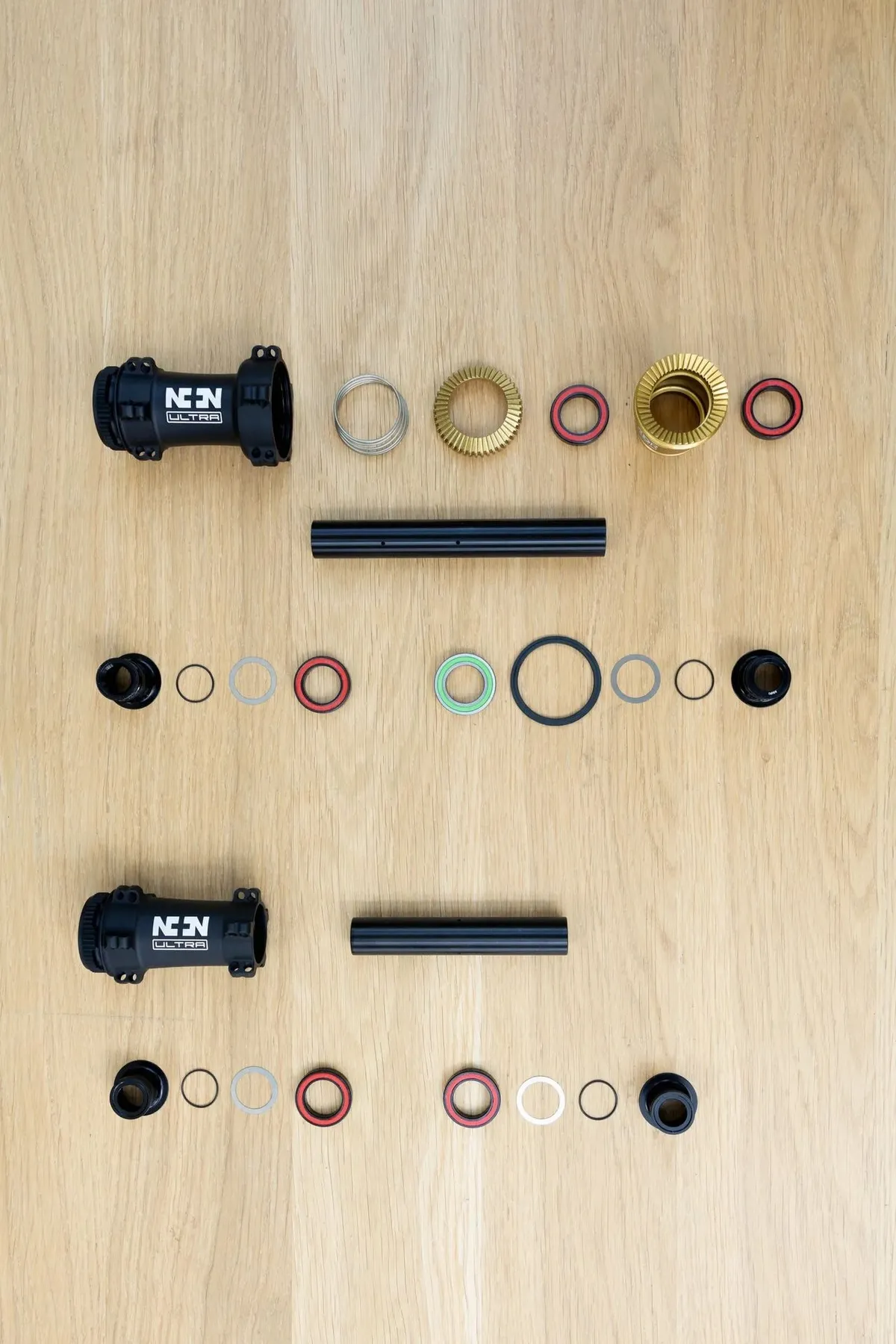
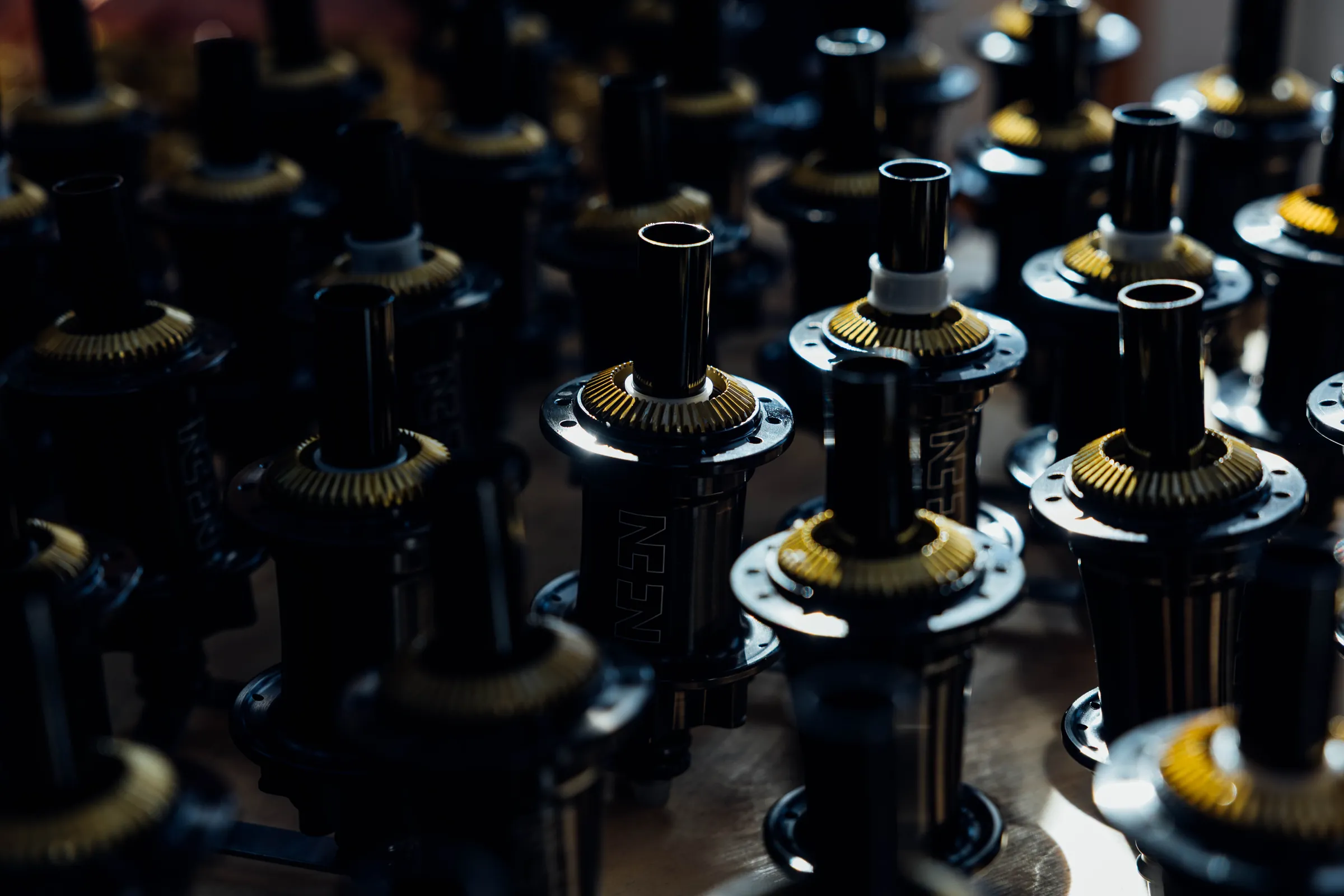
Measured in micrometres.
A hair is around 50 µm thick.
High-strength. Down to the micrometre.
We machine from high-strength aluminium instead of the usual 6000 series. That way we build significantly lighter and save rotating mass.
High-strength alloys demand manufacturing at the highest level. That is why we also anodise the bearing seats, protecting them for good. Few do this. And despite the anodised layer, we hold tolerances of a few micrometres. That is the Champions League of manufacturing. That is exactly where we work.
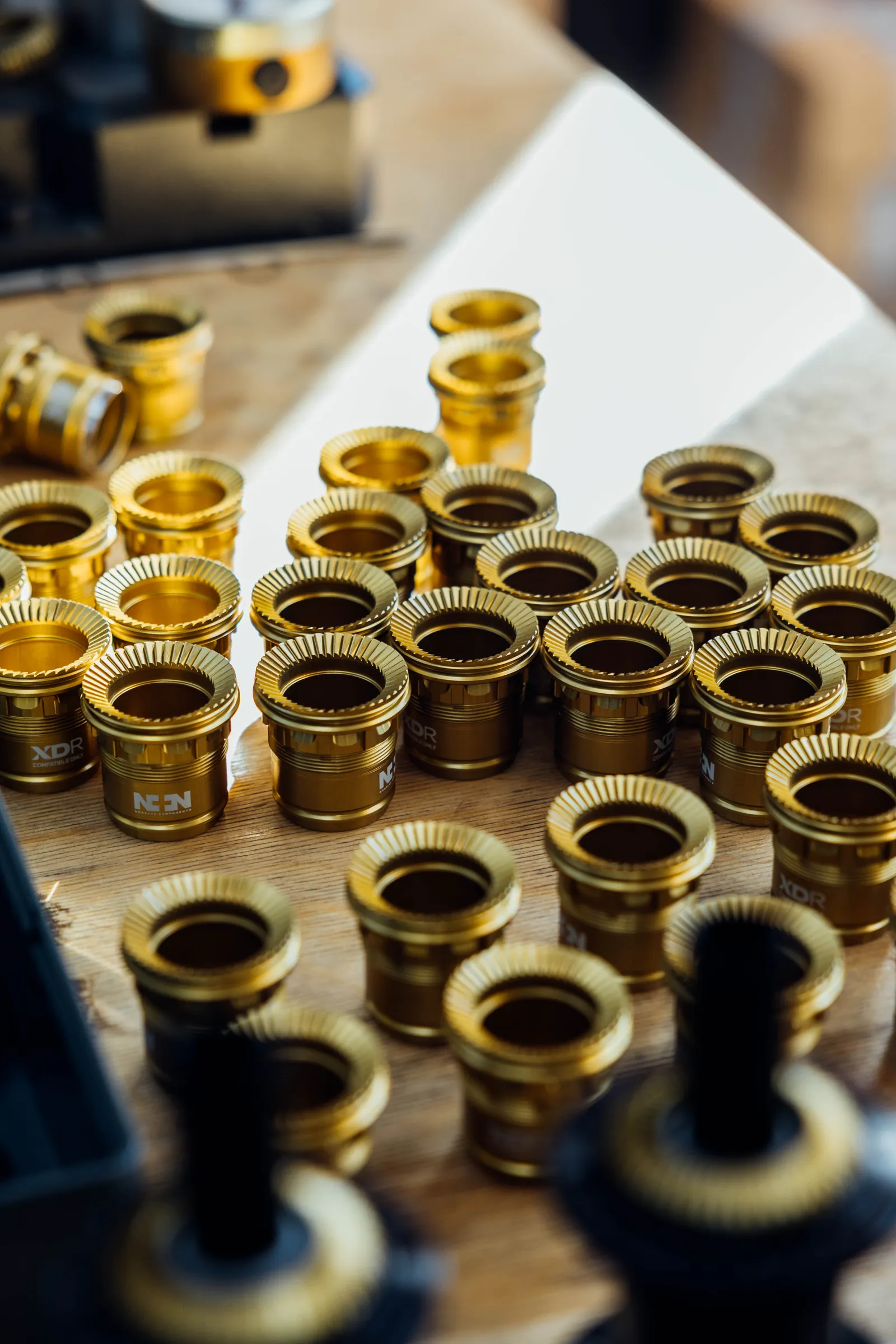
More detail inside the hub.
We also remove material inside, where no one sees it. To do so, we machine the hub in more detail than usual. That takes longer.
Complex and high-end.
Our high-strength aluminium is much harder to machine than common alloys. For the chip to break cleanly, we need special tools and a great deal of experience.
Experience you can’t copy.
Every process has grown over years, step by step, until it was perfect. The parameters we use stay in Winnenden.
Learned from nature.
A tree stands in the storm for a hundred years. A bone carries a lifetime. A blade of grass bends and does not break. In nature, material sits exactly where it is needed. Nothing too heavy, nothing too weak.
Bionics is our design philosophy. We copy the way nature builds: material exactly where forces act, and nowhere else.
A tree distributes load across its surface so that no point is overloaded. That is exactly how we think about every hub. Soft transitions instead of hard edges. No notches where stress builds up. No interrupted fibres. Forces flow smoothly through the part.
You see the result in every contour. And you feel it on every kilometre: lighter, yet durable.
Flow of force.
Material follows load. Like the fibres in a branch that grows thicker exactly where it has to carry the most.
No stress peaks.
Soft radii instead of sharp corners. This distributes stress evenly, and no point becomes a predetermined breaking point.
Light by leaving things out.
Whatever carries no load comes out. Inside too, where no one sees it. Every gram less rotating mass makes you faster.
Everyone slows down. You keep rolling.
Stop pedalling and compare: where other wheelsets slow down, yours keeps rolling. Our hubs have noticeably lower rolling resistance because no bearing runs under preload and the freehub creates hardly any friction while coasting. That is NON PLAY. Every metre you don’t have to pedal is energy for the next climb. Once you’ve switched, you notice it on every descent.
Why our hubs run more freelyFrom drawing to finished hub.
- DevelopDesign and testing of the hubs in Winnenden.
- ManufactureHub bodies, freehubs and end caps to our drawings and tolerances.
- BuildEvery hub and every wheel is assembled and laced by hand.
- InspectRunout, tension, bearing play. Only when everything is right does it ship.
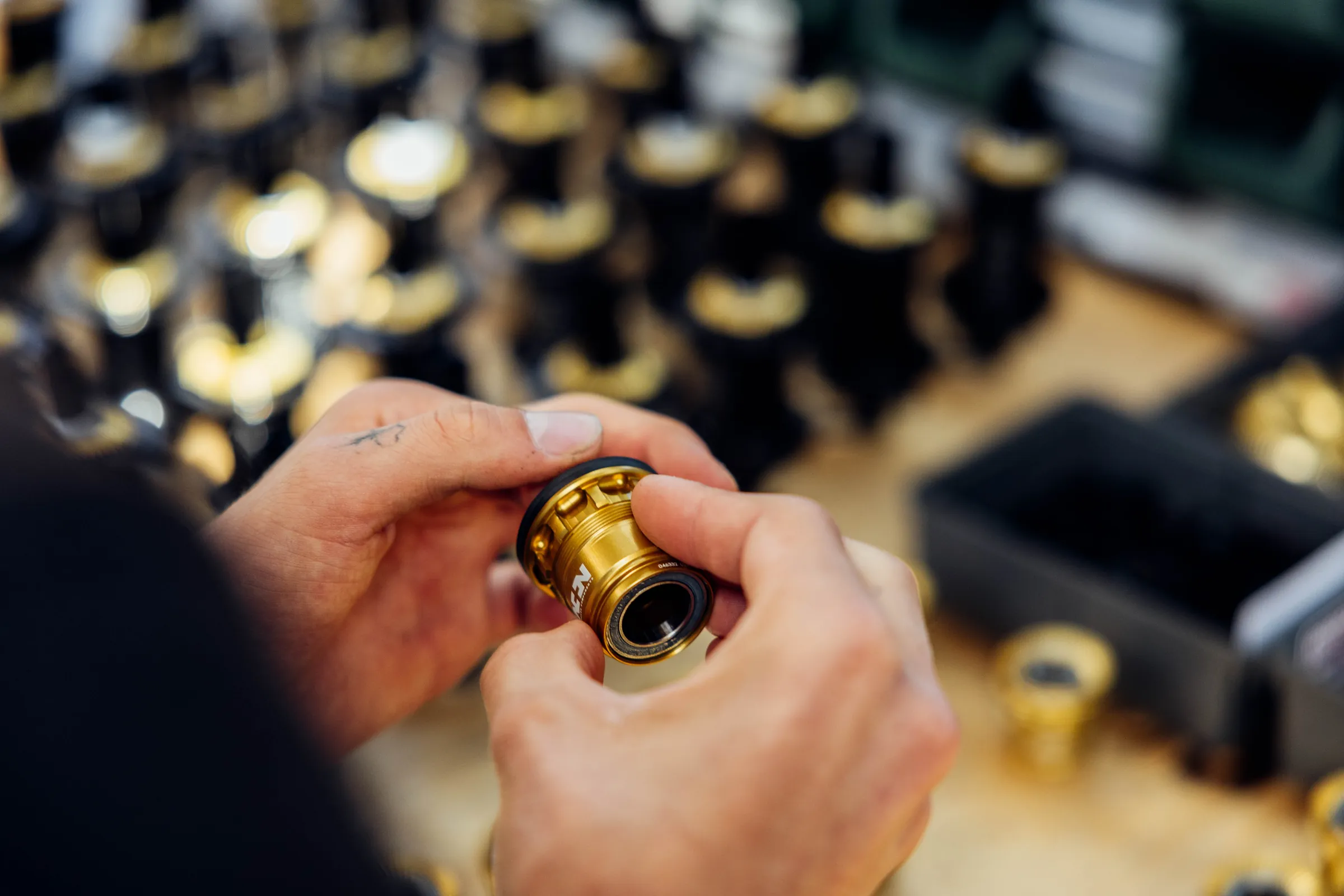
Inspect.
Every freehub body passes through our hands.
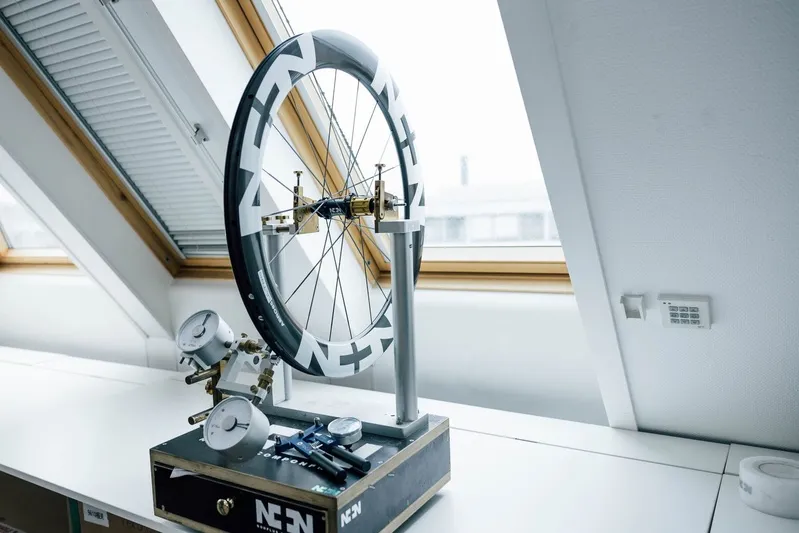
Trued by hand.
We lace every wheel in Winnenden and true it on the stand. Every spoke is measured with the tensiometer until the wheel runs round, straight and evenly tensioned. Only then does it leave the workshop.
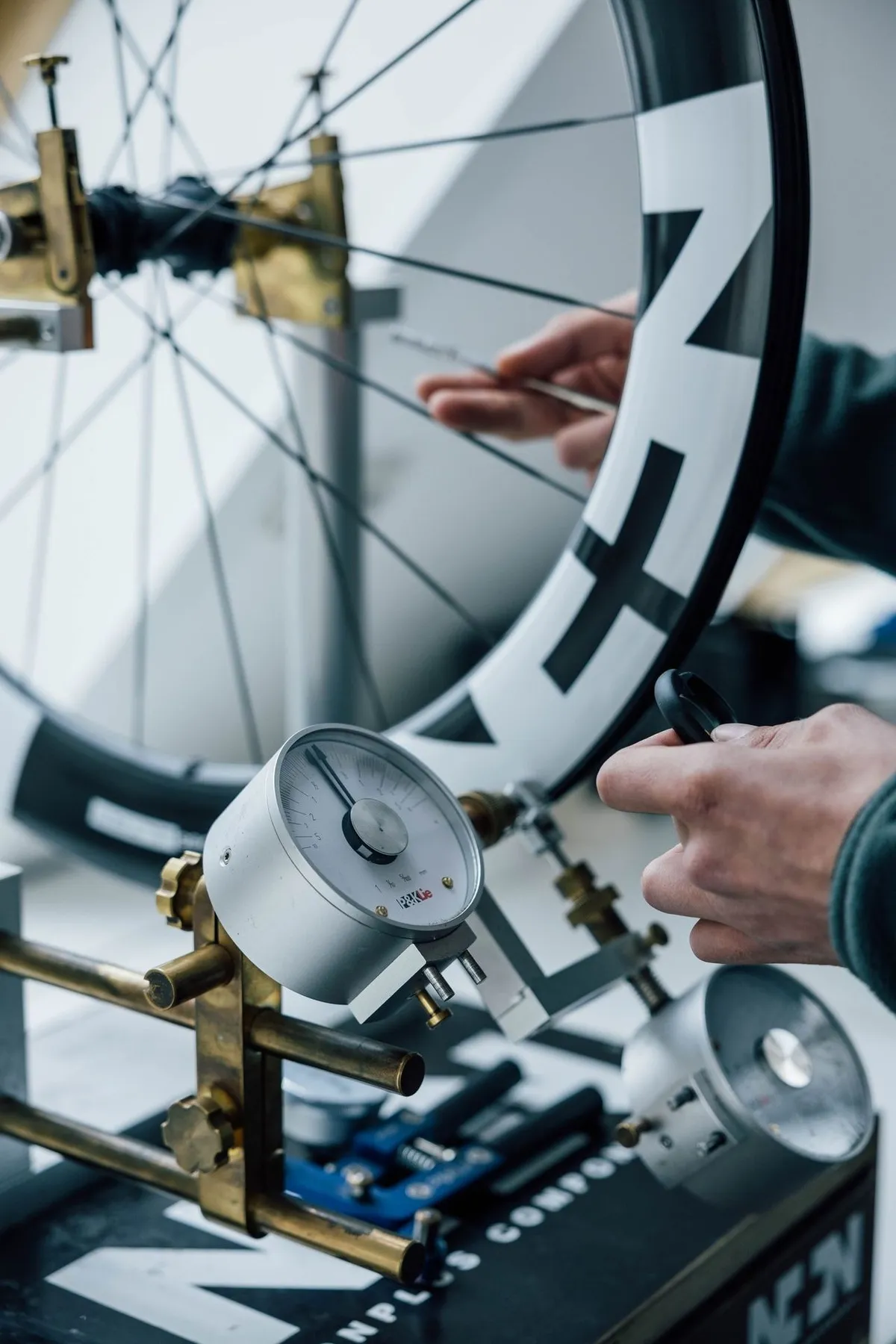
Truing.
Radial and lateral true on the stand.
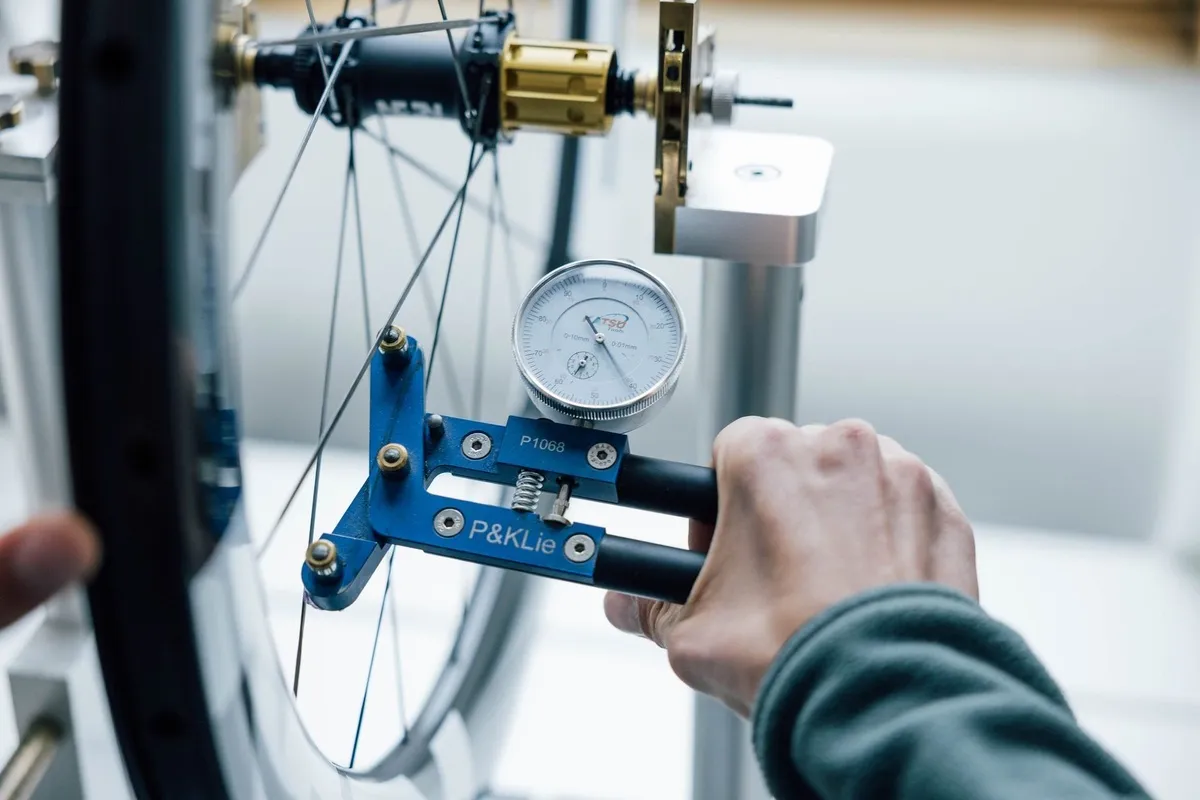
Measured, not guessed.
Every spoke checked with the tensiometer.
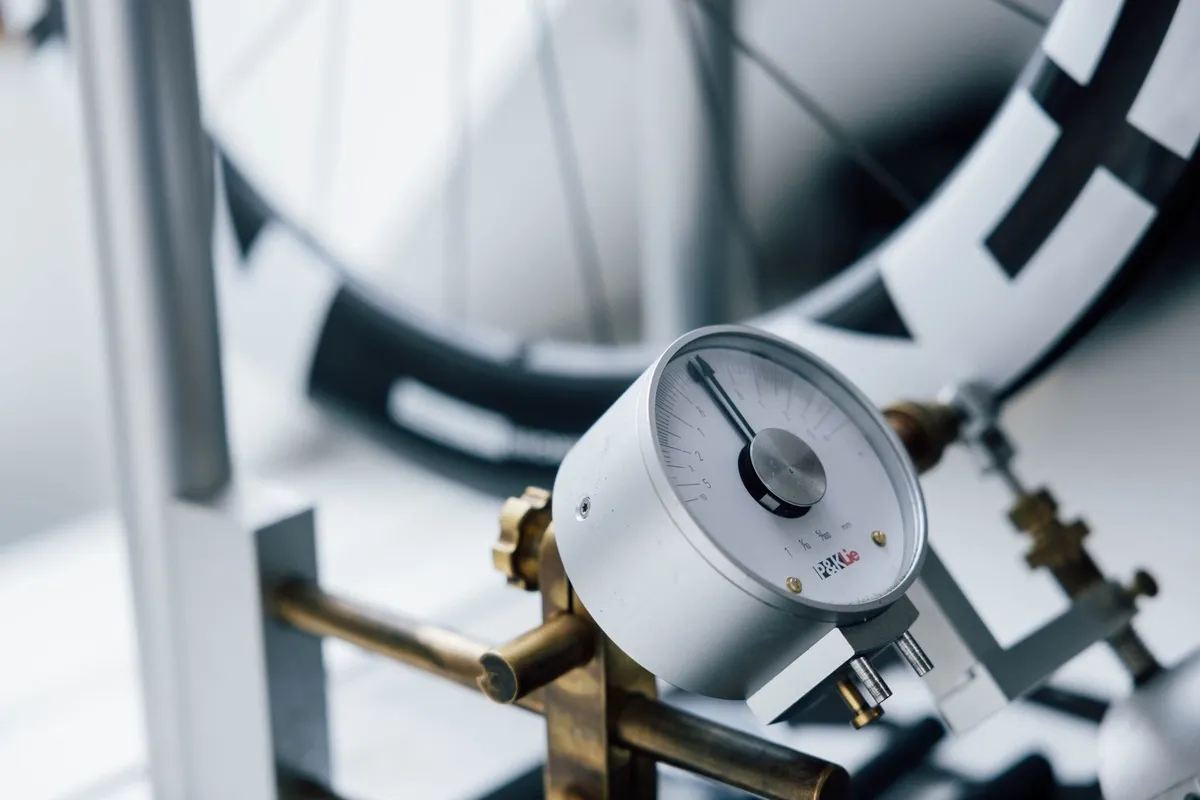
True to the dial.
The dial gauges show every deviation.
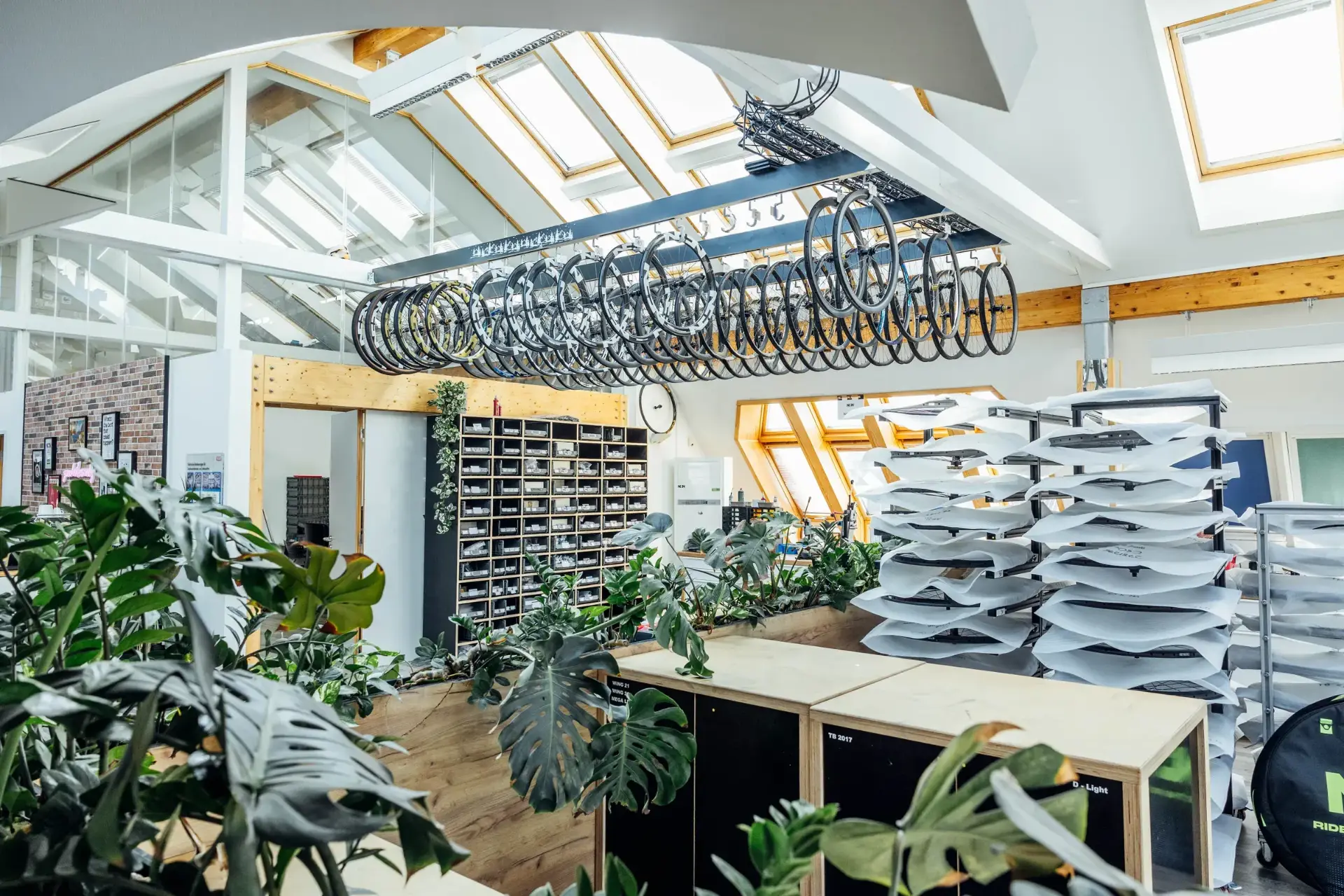
A look behind the doors.
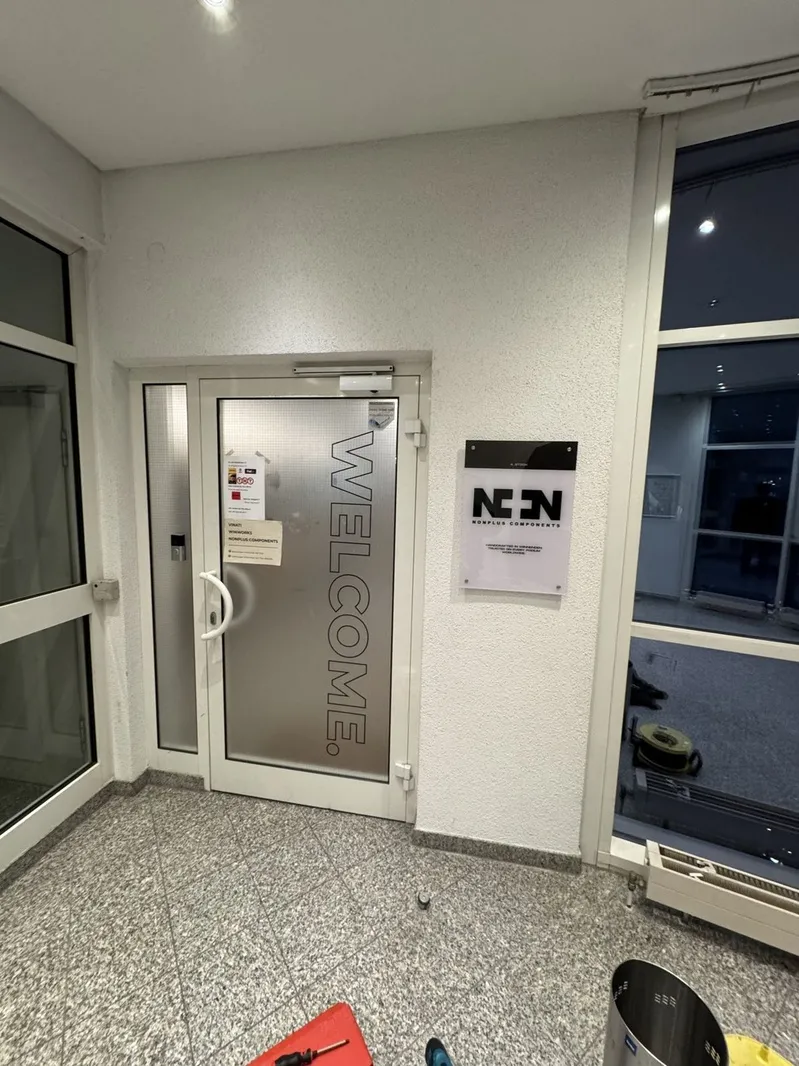
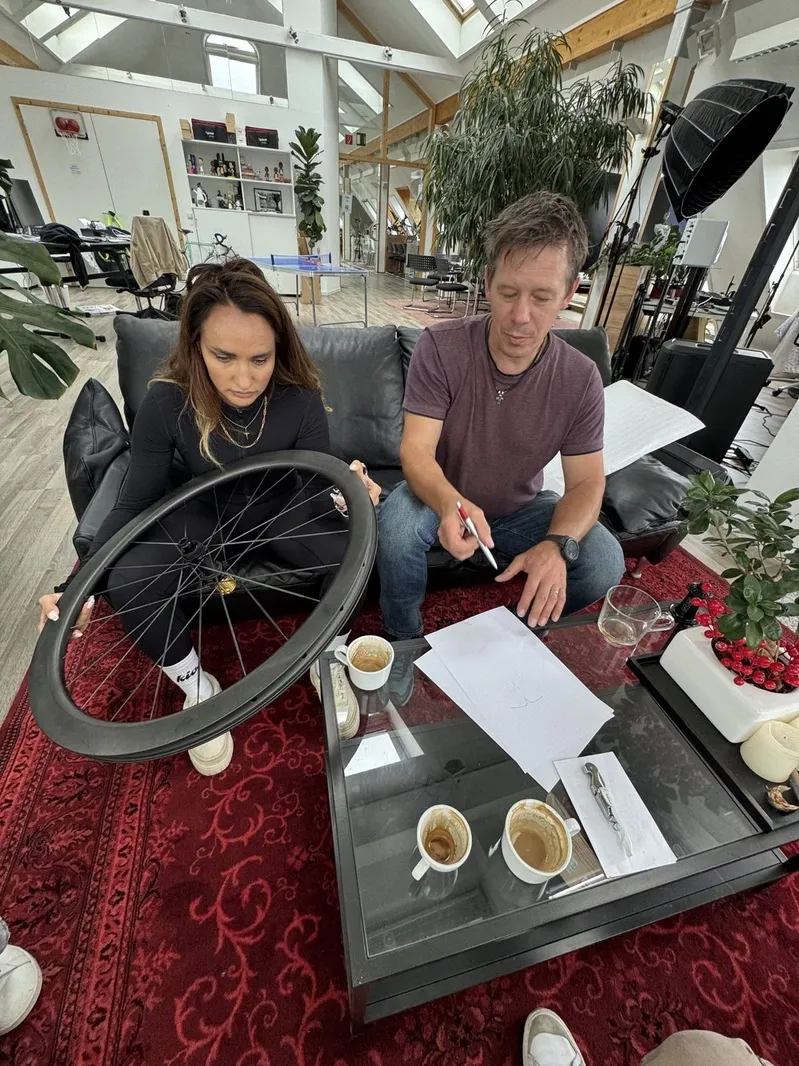
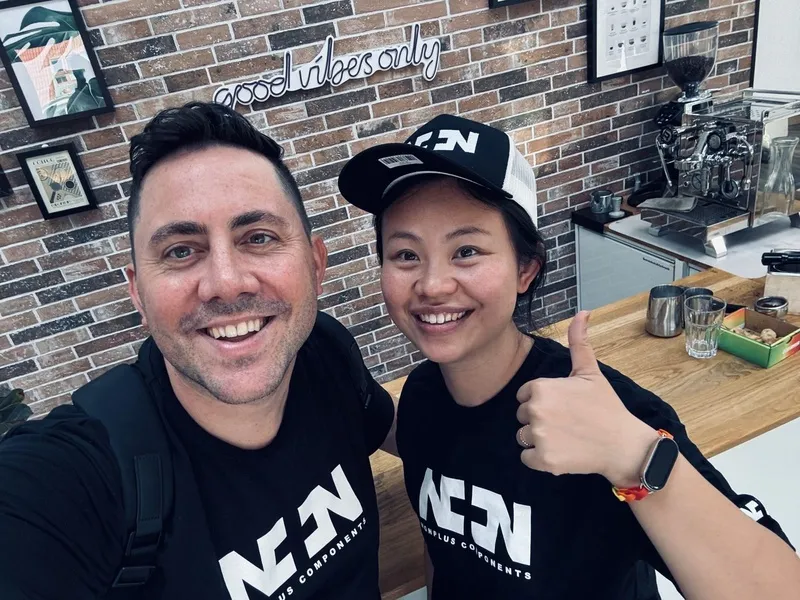
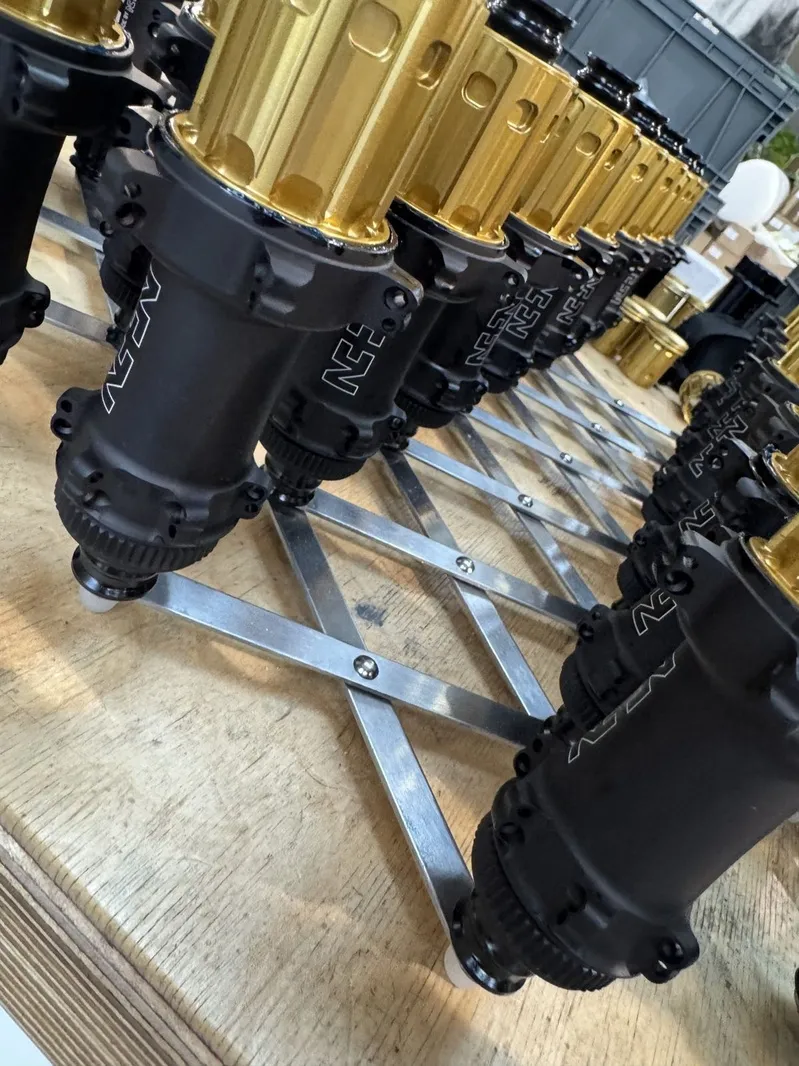
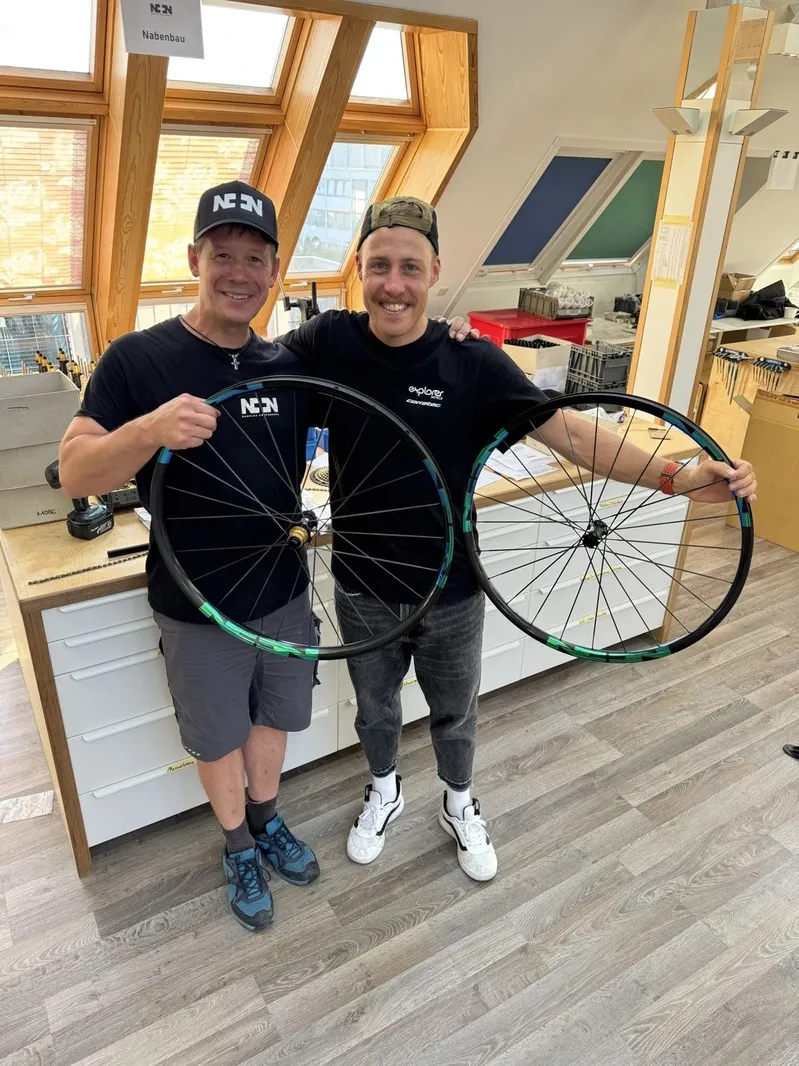
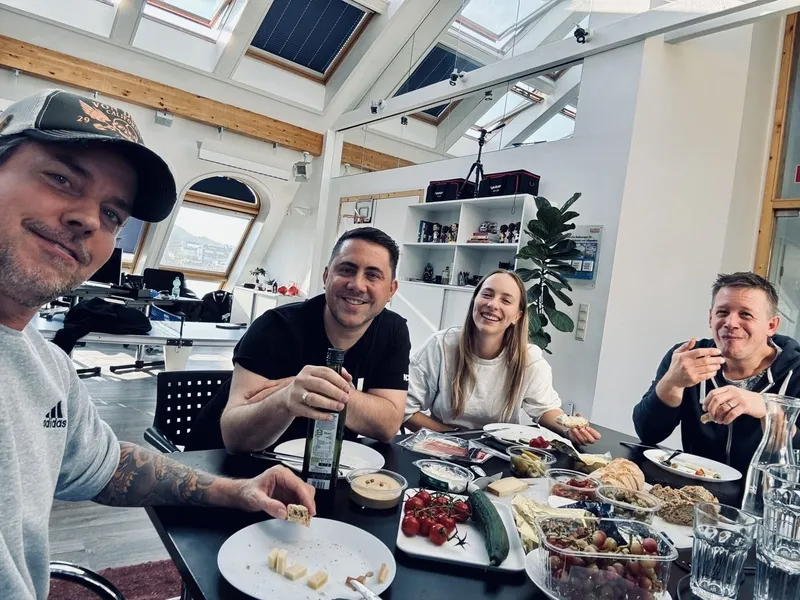
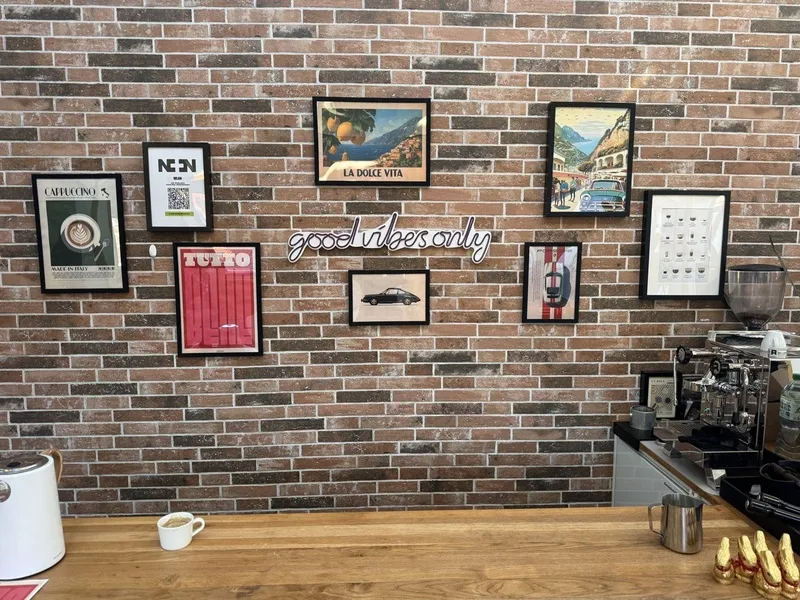
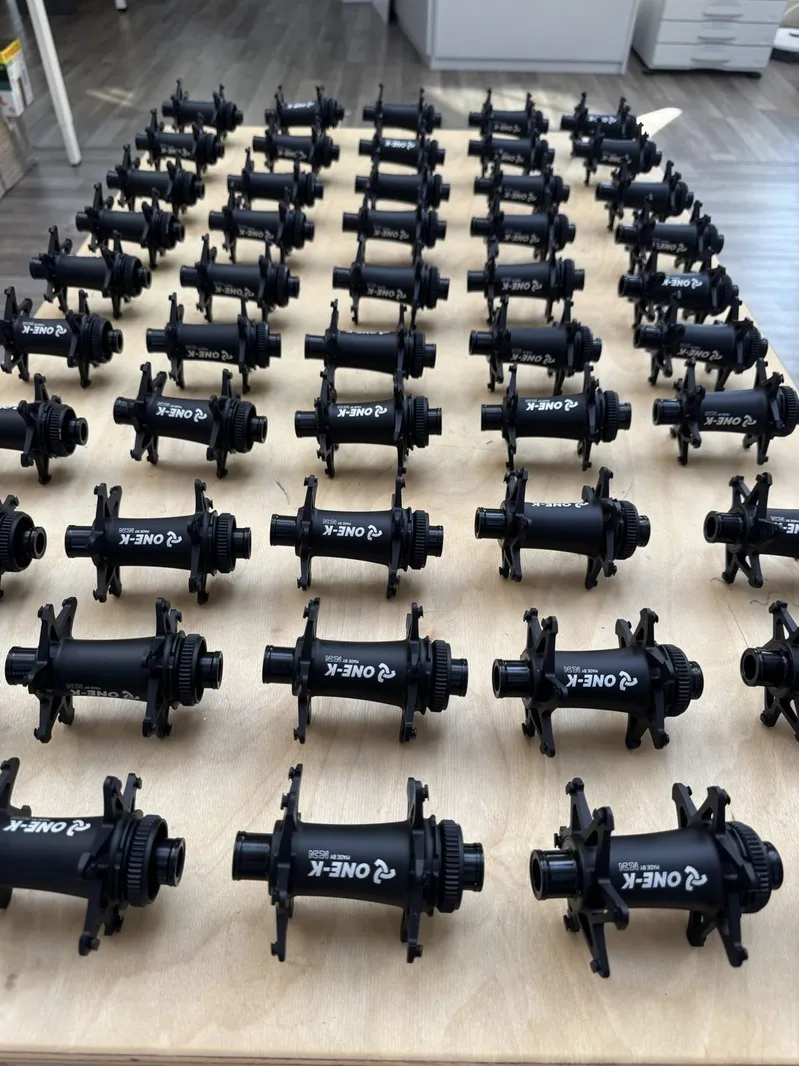
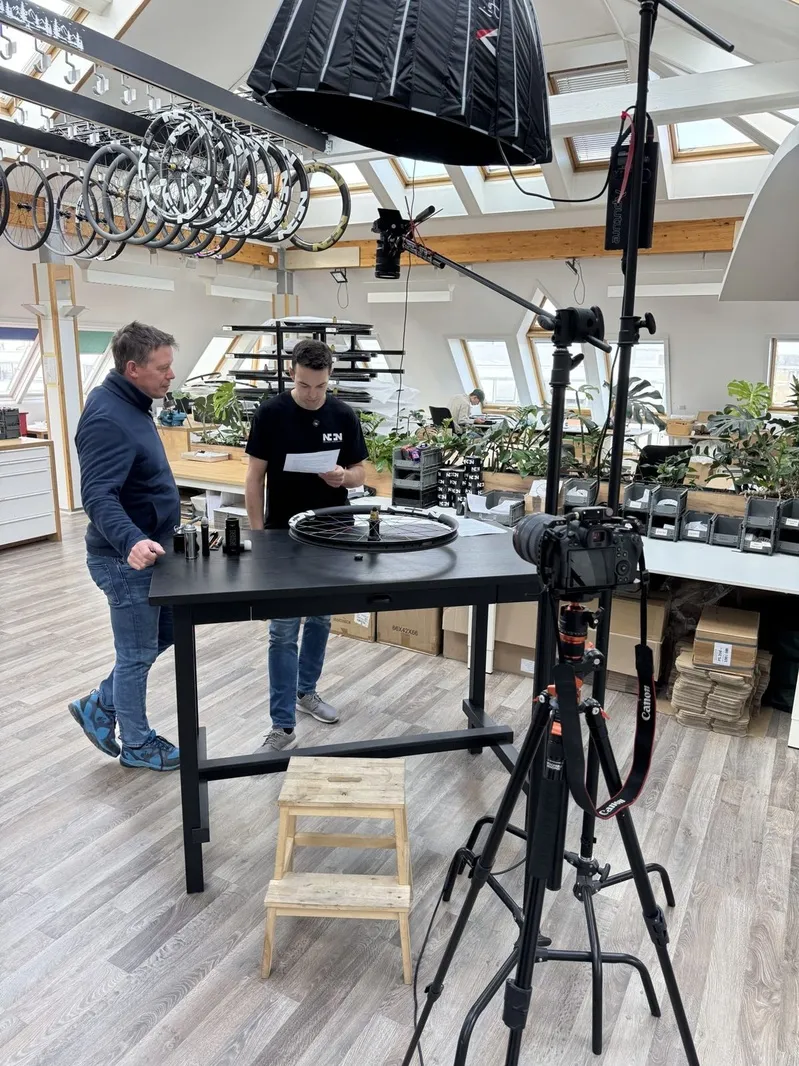
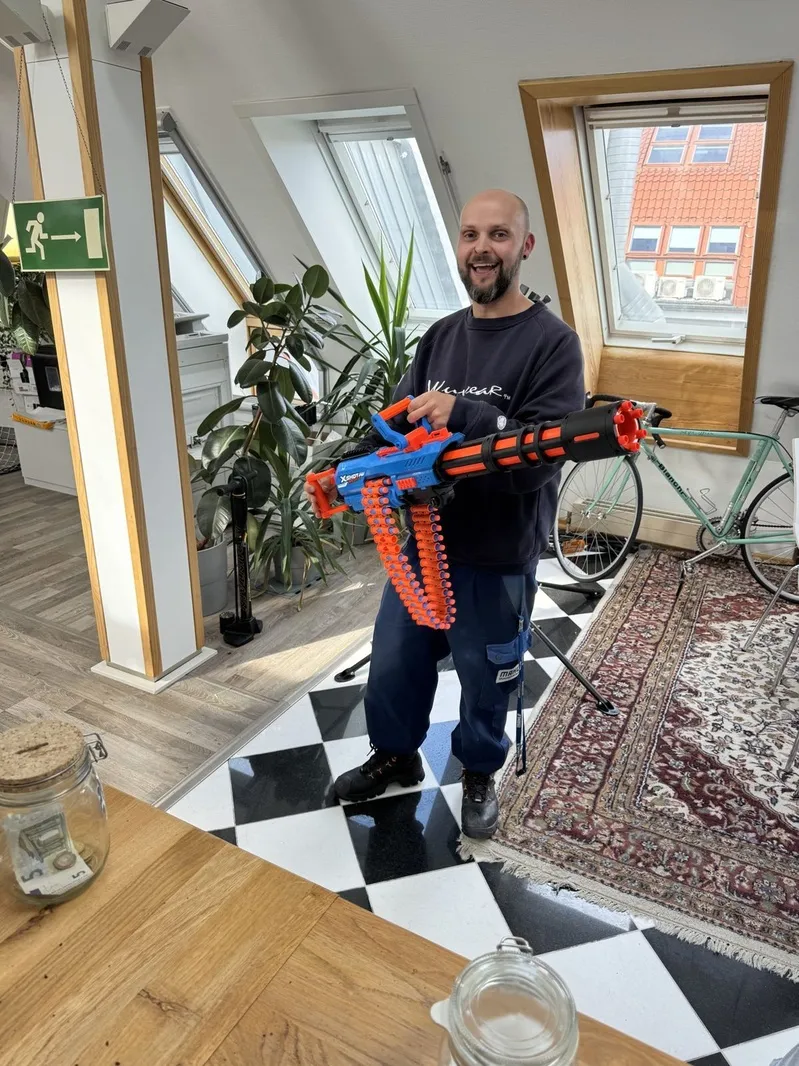
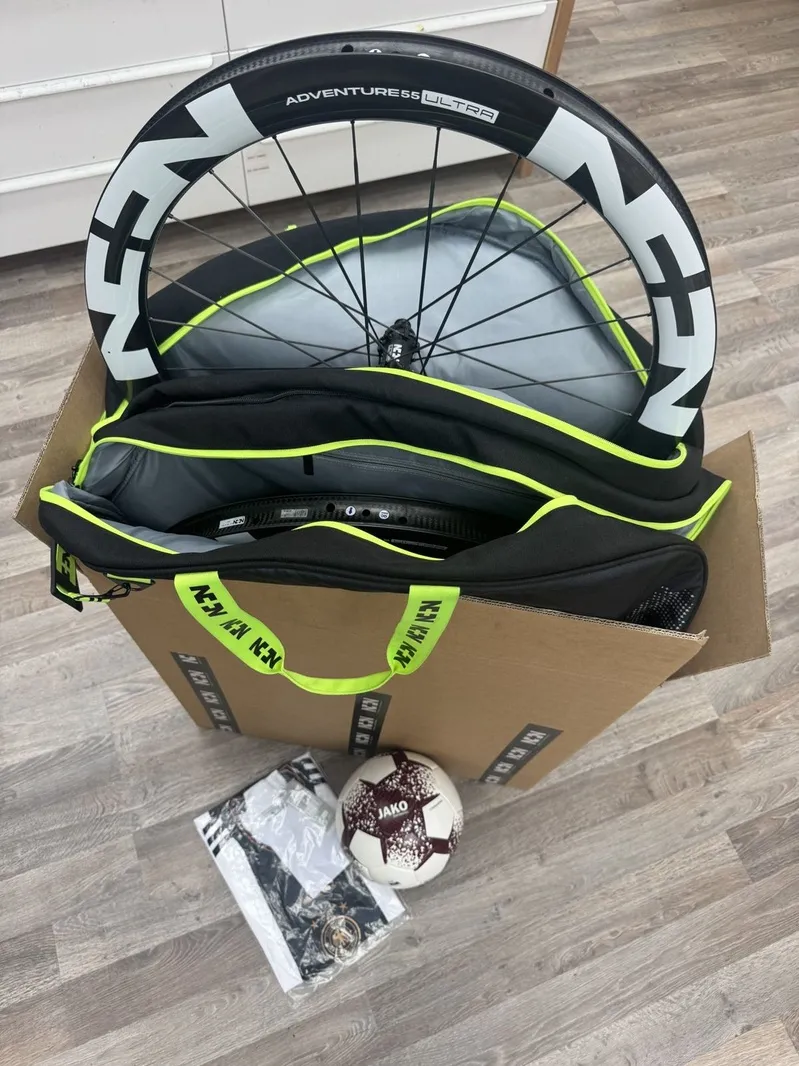
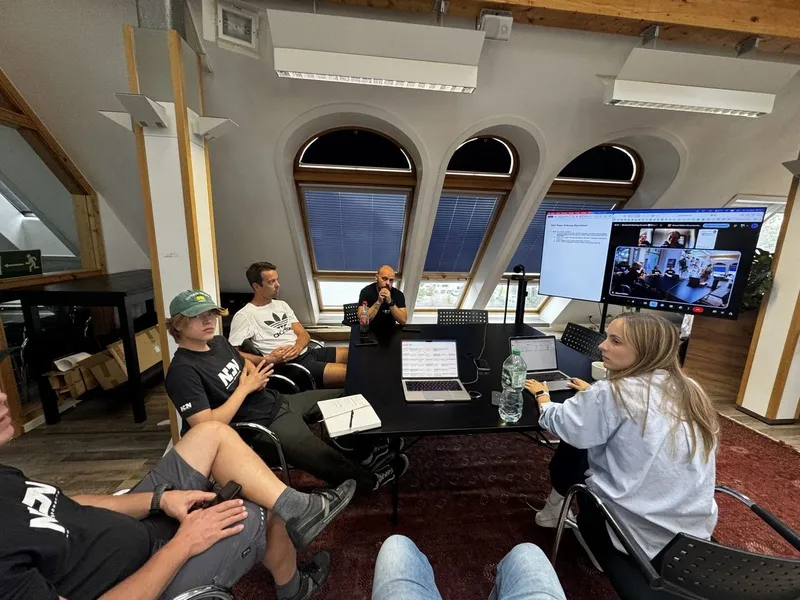
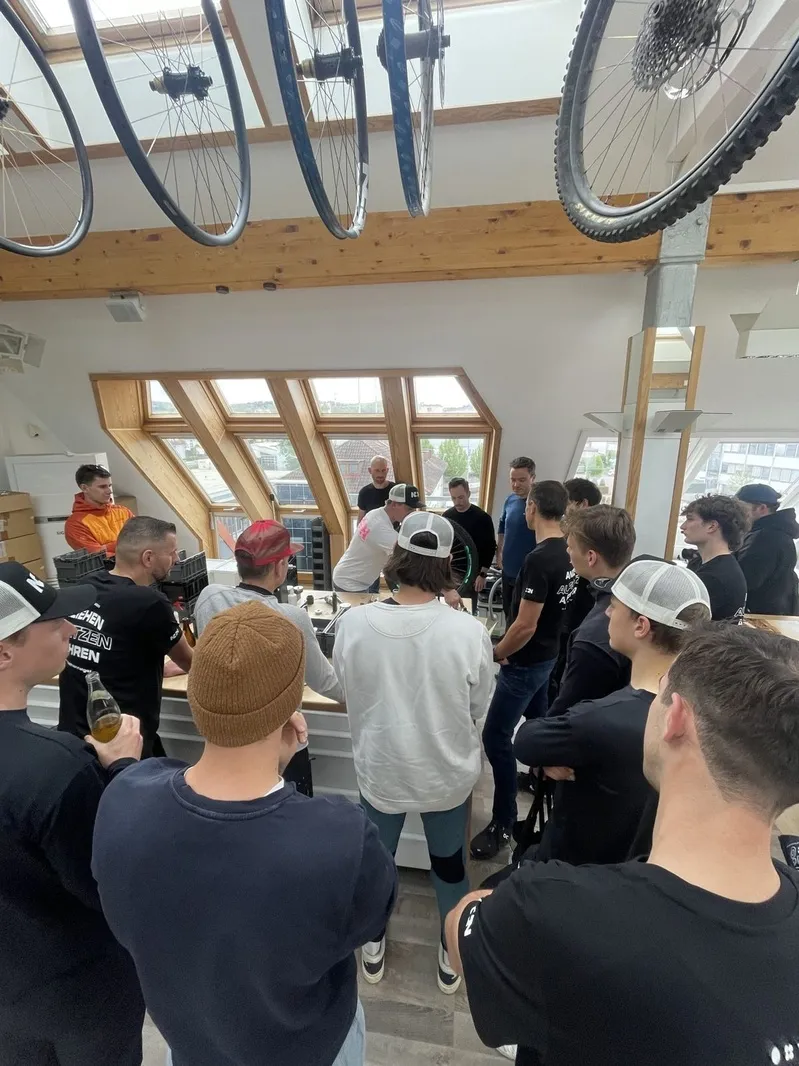
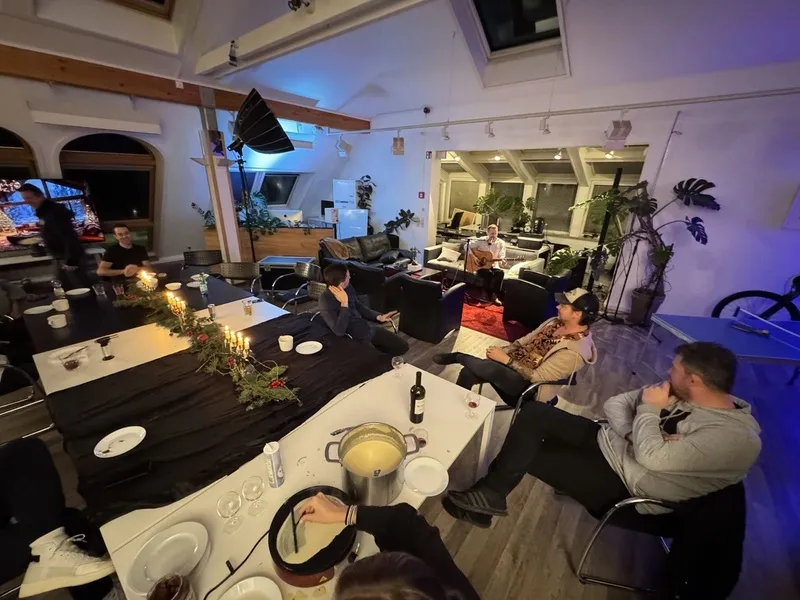
Every NonPlus hub is made under one roof in Winnenden: from development through machining and assembly to final inspection. And sometimes we celebrate here too.
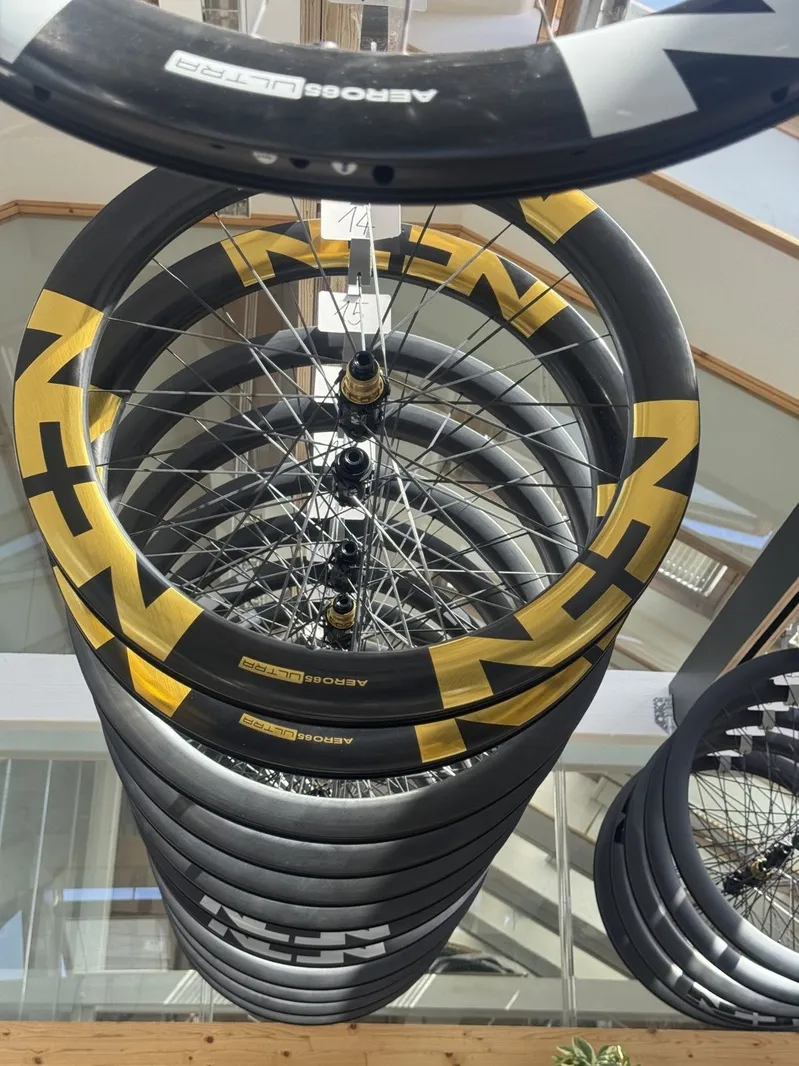
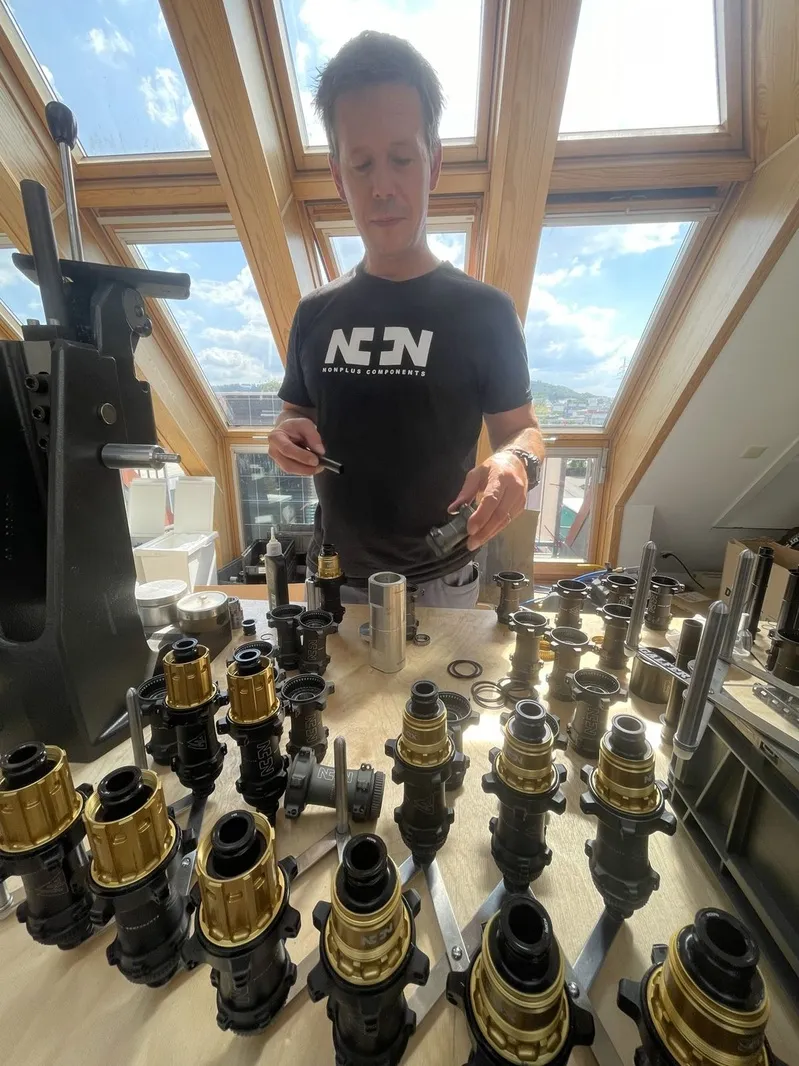
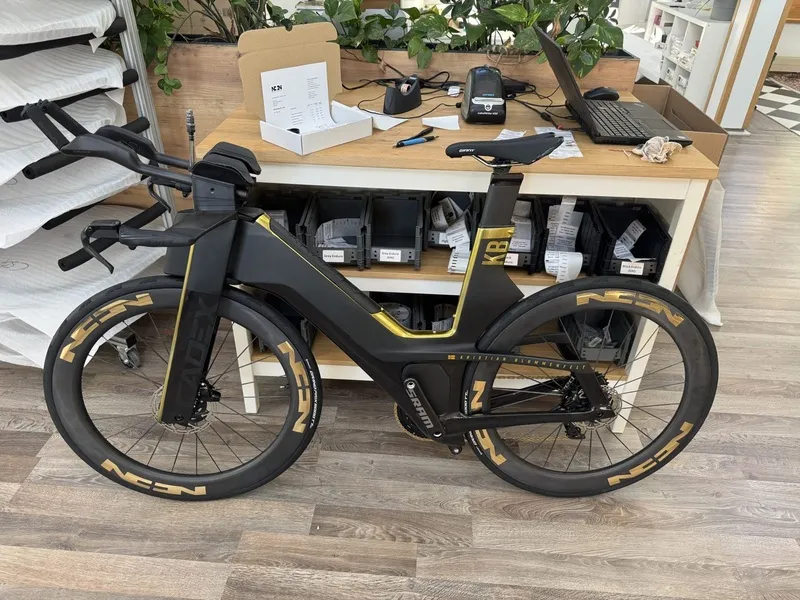
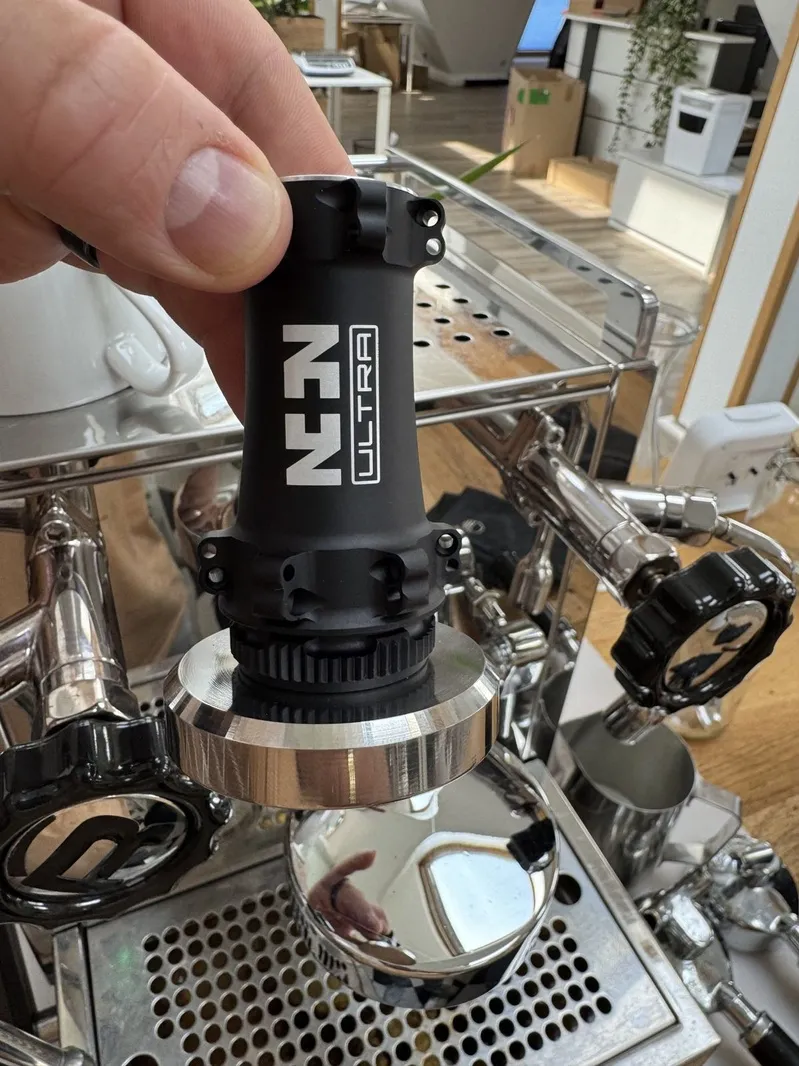
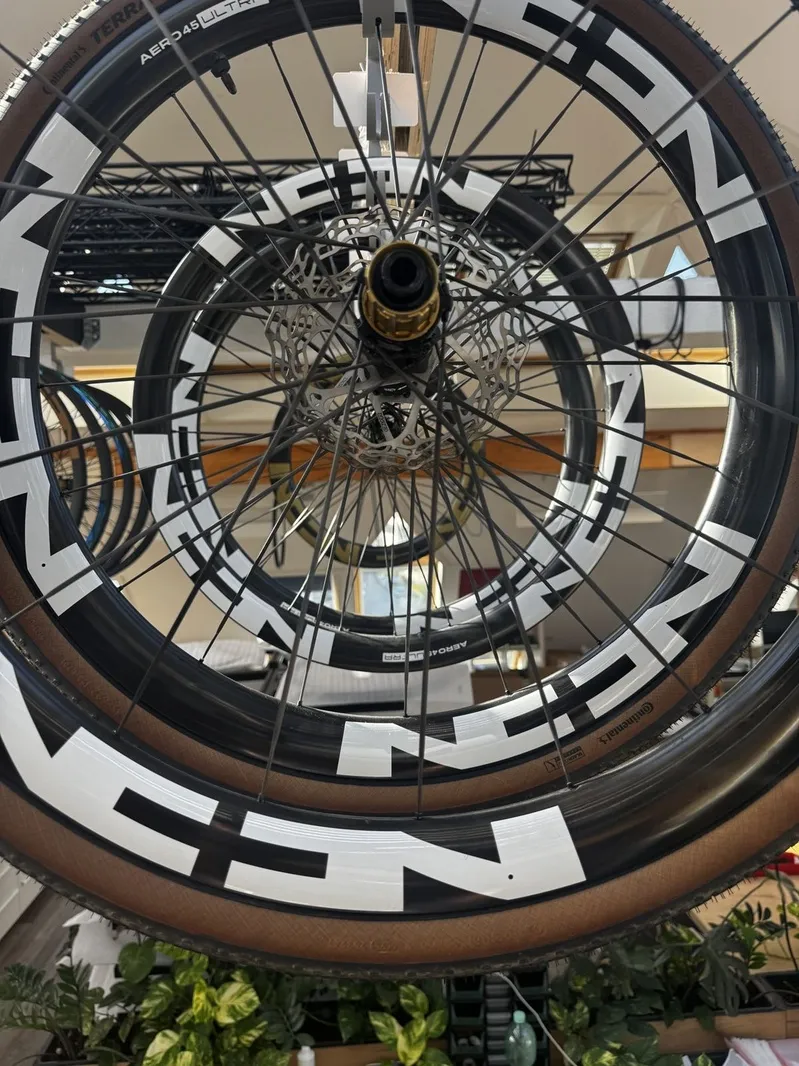

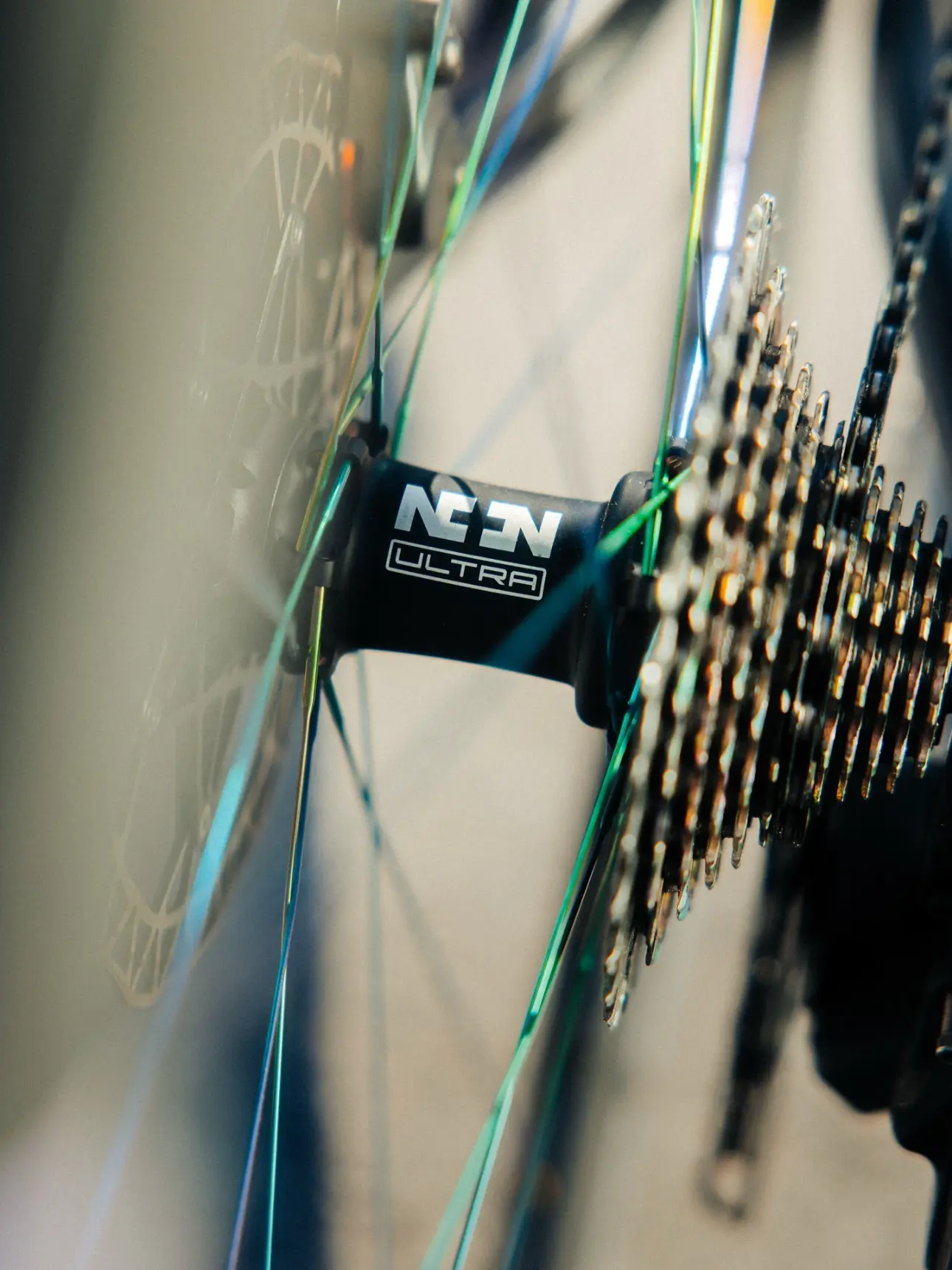
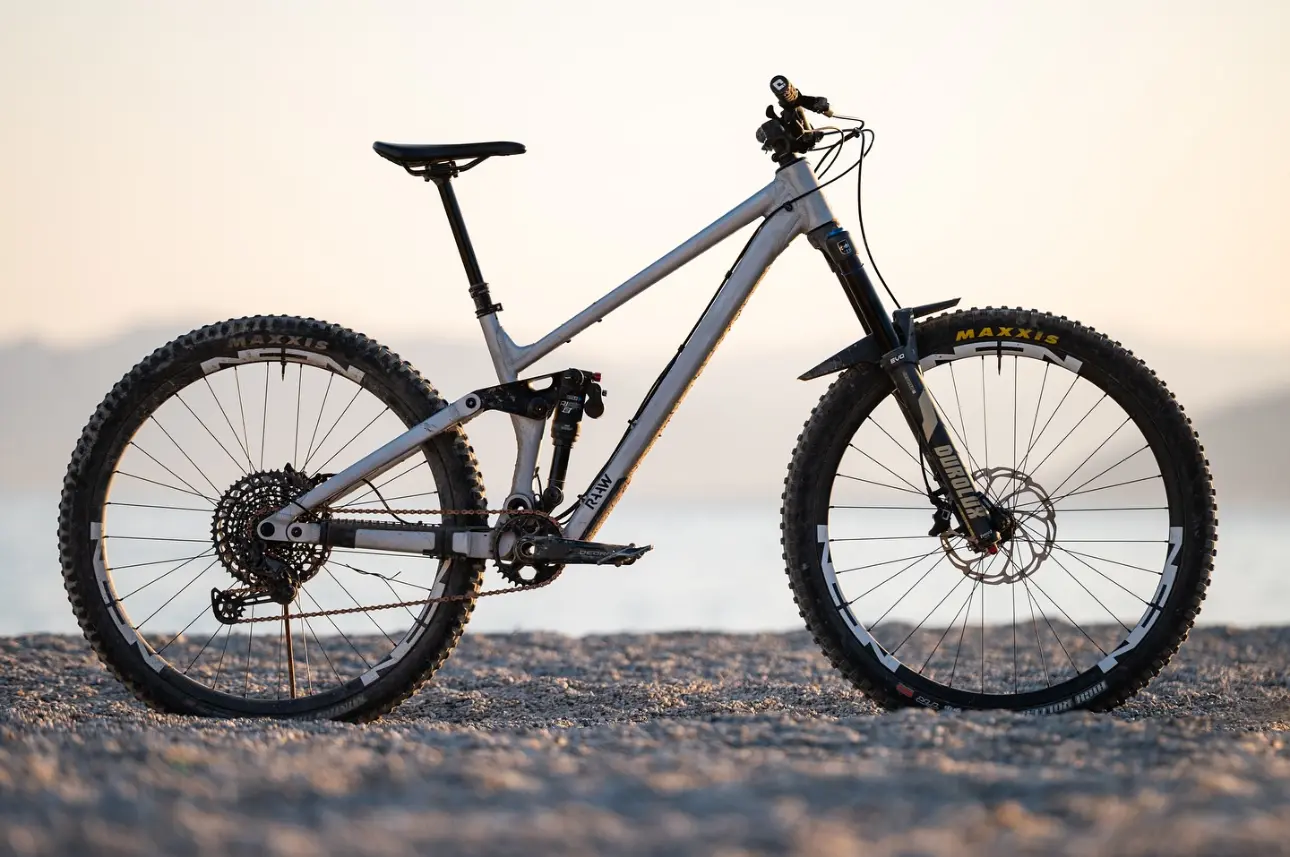
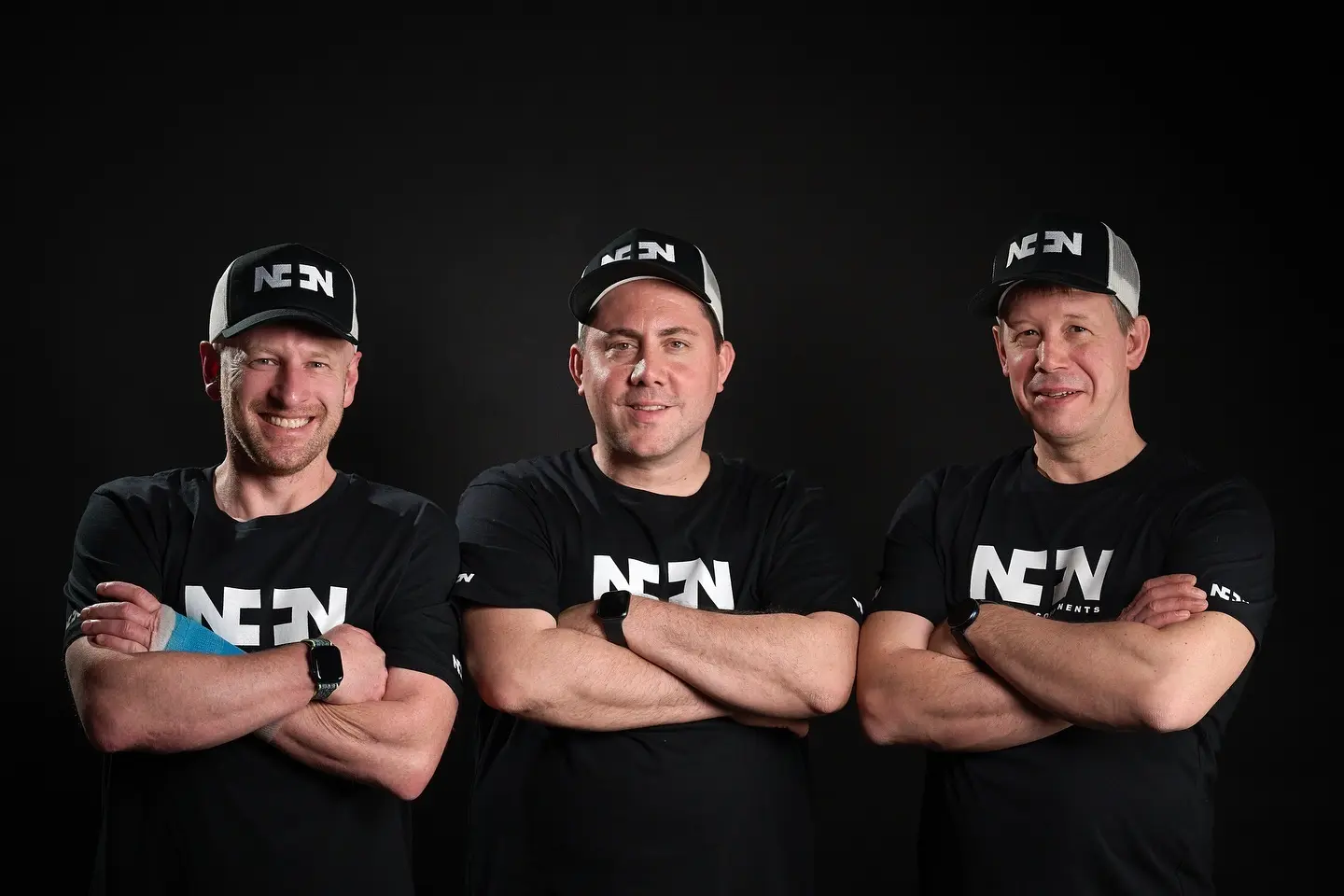
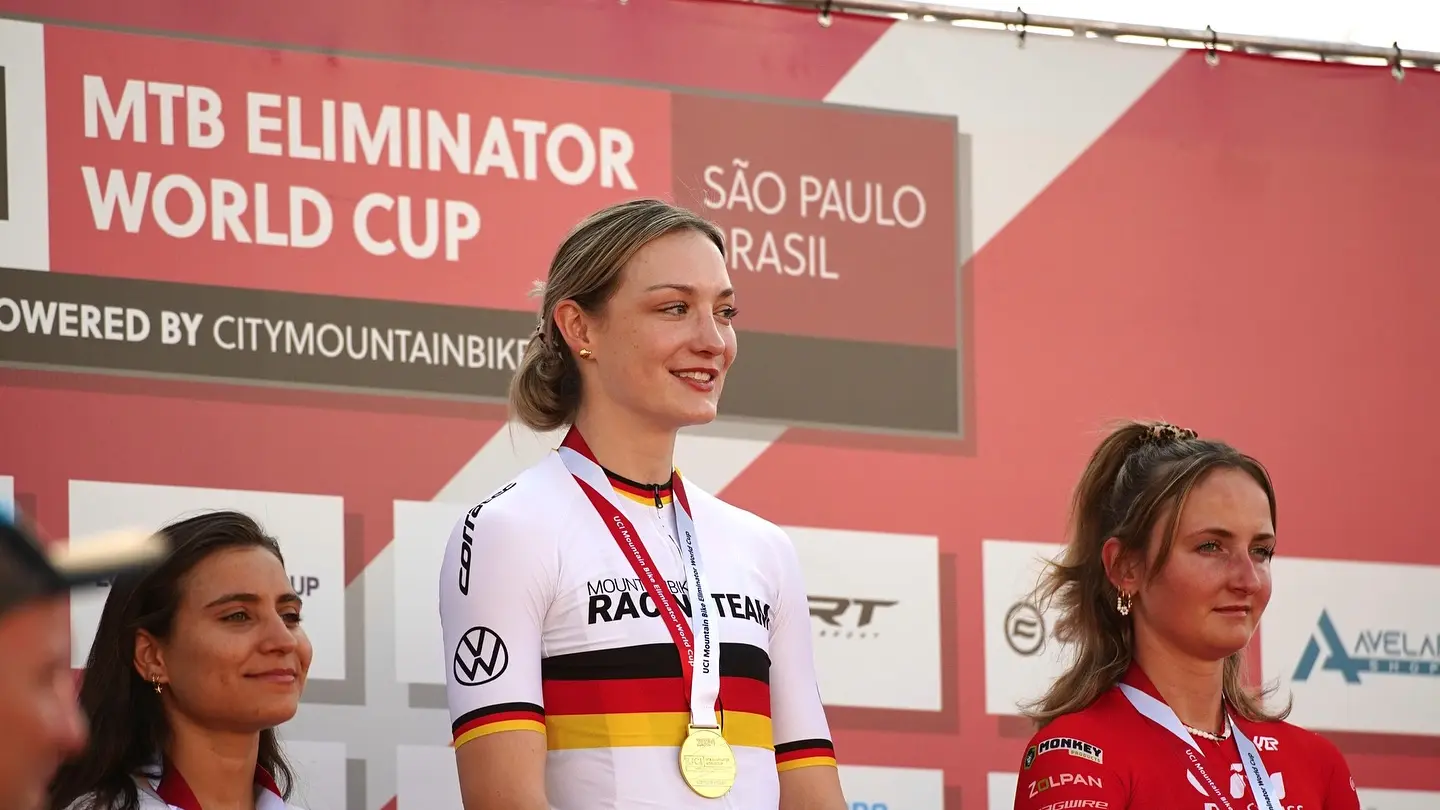
What leaves our workshop.
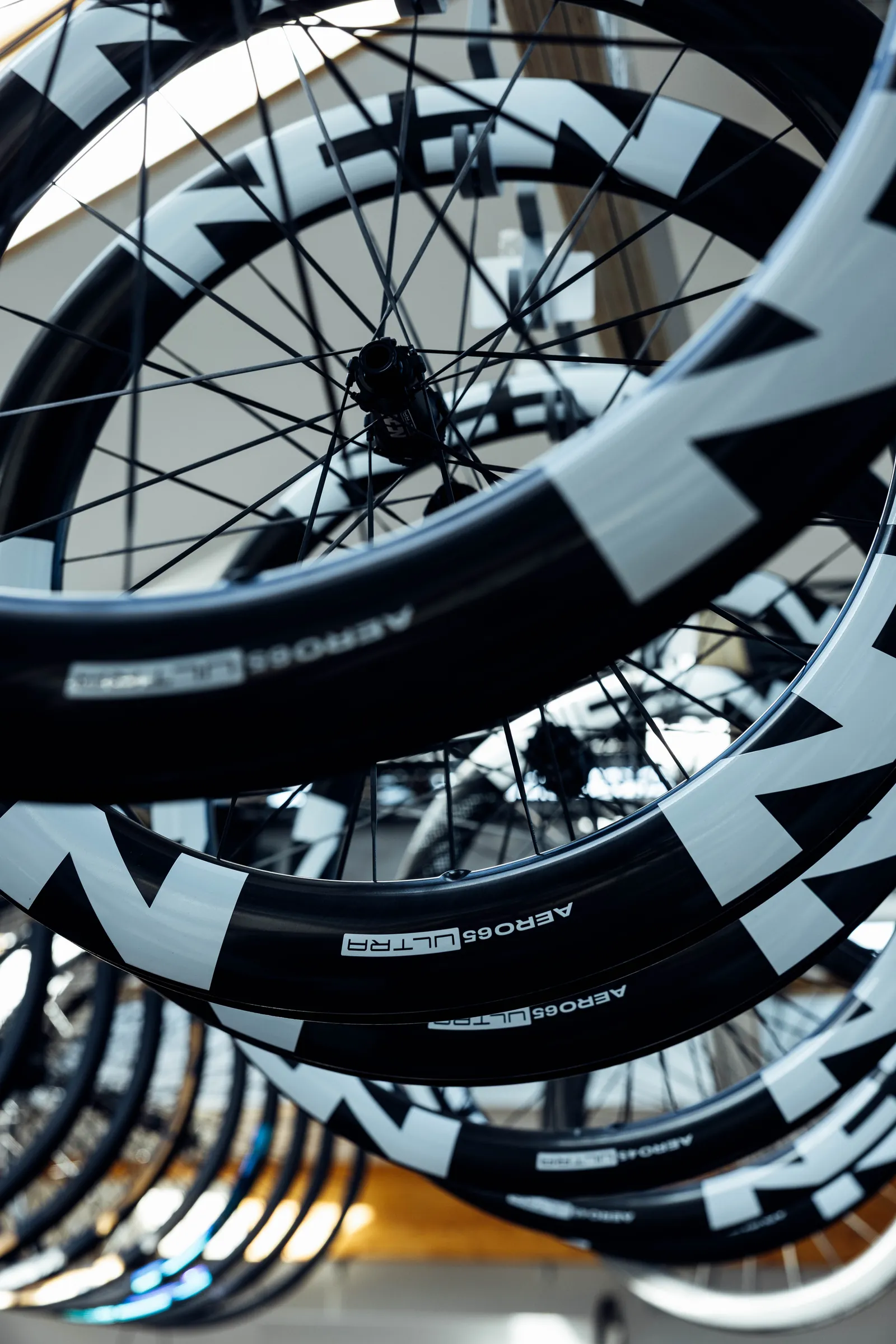
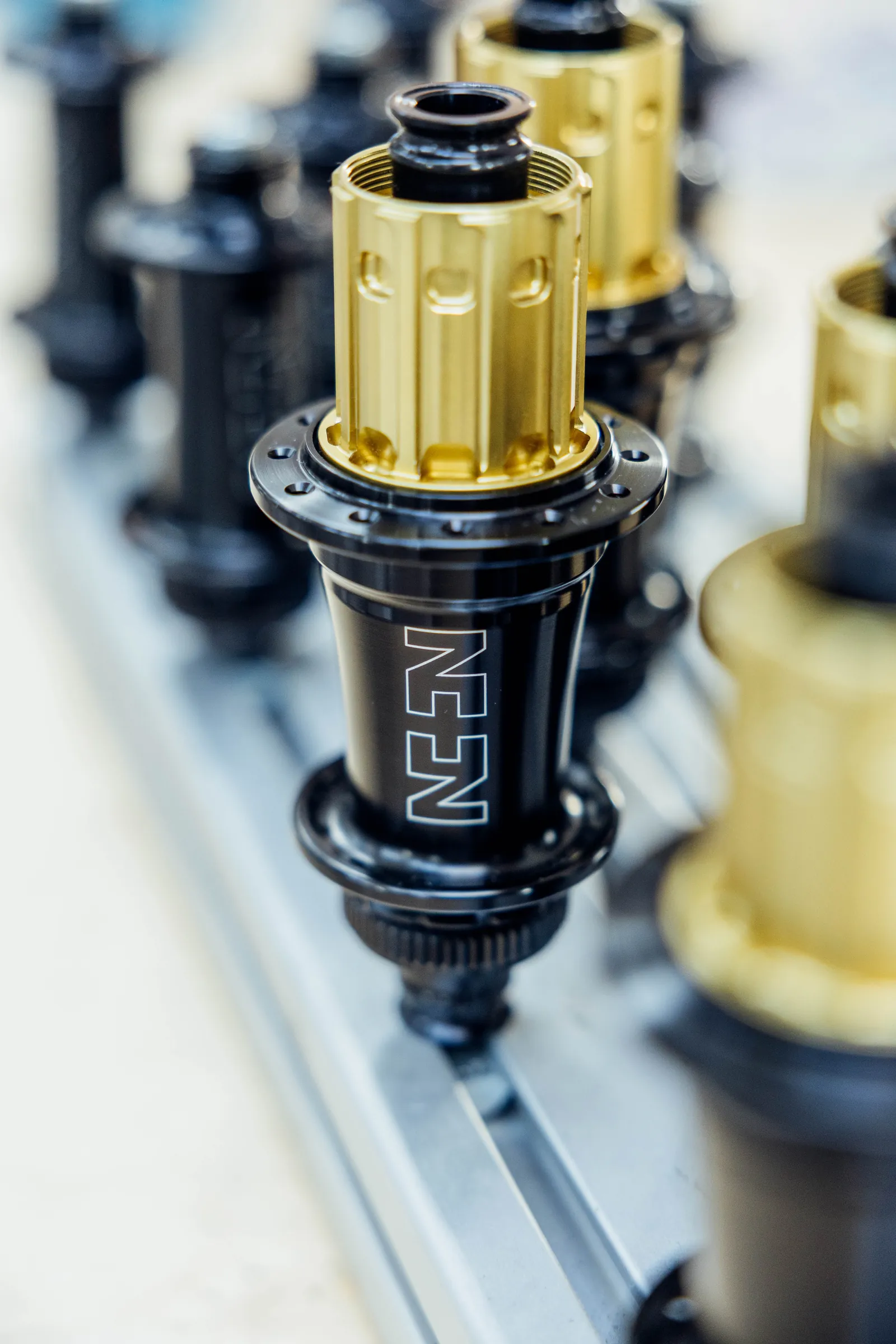
Follow the revolution.
New parts, first kilometres, glimpses into the Manufaktur. Plus a community that shows every day where NonPlus rolls. Join us.
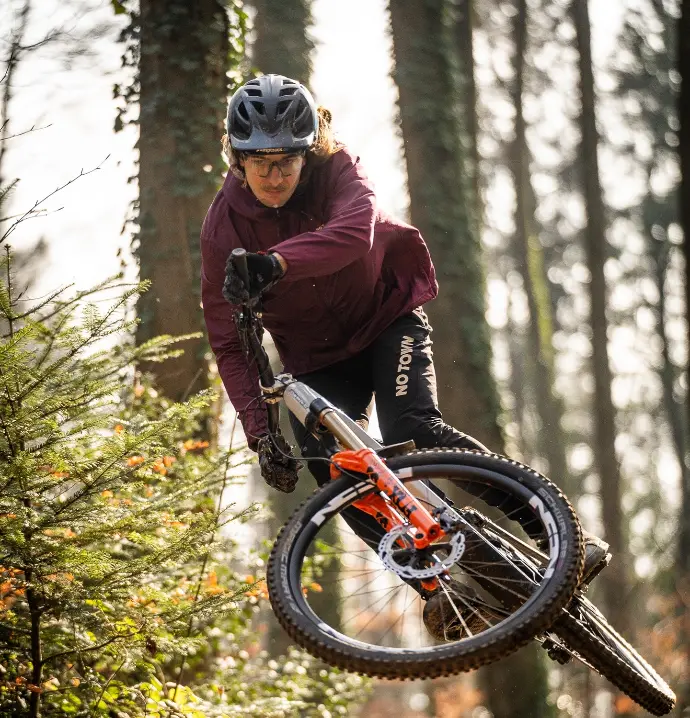
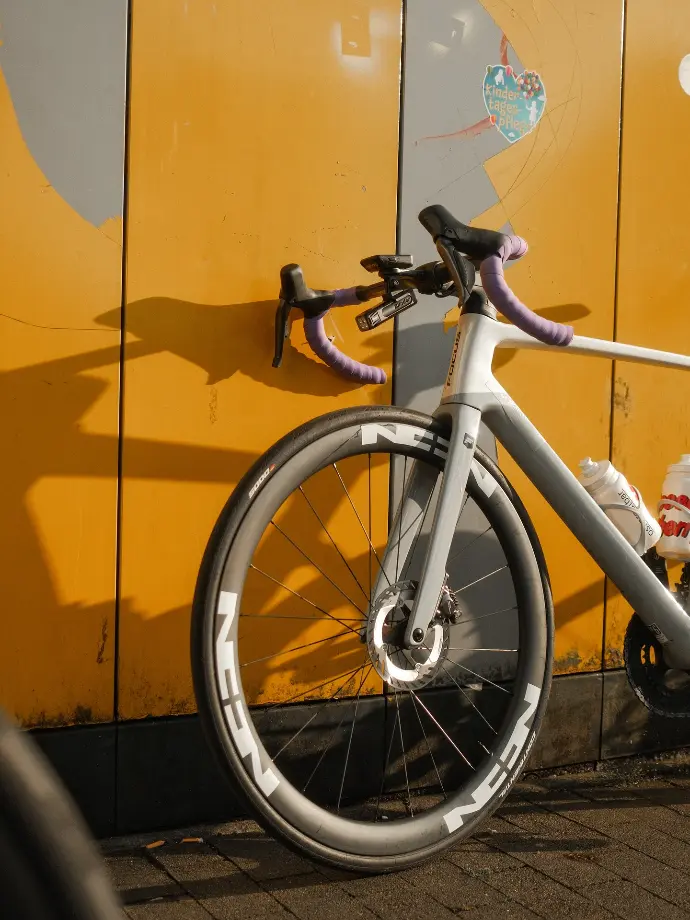
Talk to us before you order.
We check frame, freehub and riding style and tell you which wheelset or hub fits.
- 4-year guaranteeon hub, axle and end caps
- Crash Replacement50 % off replacement, 2 years
- Handmade in Winnendenassembled and tested
- Wheel Specialistpersonal advice